




Frankie D. Terrell
Security Manager, St. Francis Hospital Prime Healthcare
I've never believed that meaningful success comes without taking chances. Sometimes you have to step outside of your comfort zone, take a calculated risk, and have the courage to pursue something that may not have a guaranteed outcome.
As an American, I believe deeply in the idea that this is a land of opportunity.
Throughout our history, the people who made a lasting impact didn't get there by playing it safe every step of the way. They took risks. They challenged conventional thinking. They pursued ideas that others may have doubted.
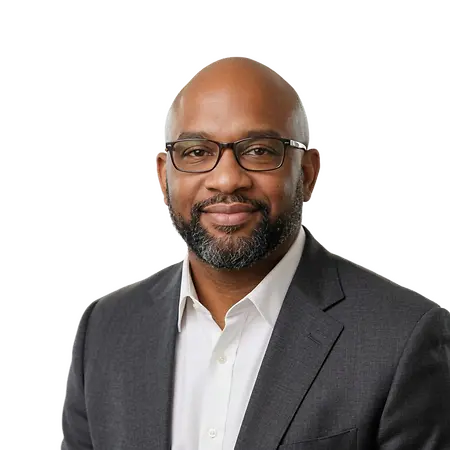
Jesston Williams
Executive Director, Tangelic
Playing it safe is the quickest way to stay stagnant. For me, the leap that changed everything came after 20 years of building a comfortable, successful career across healthcare, finance, and laboratory services. At the height of the pandemic, I walked away from that comfort zone to dive into clean energy with Tangelic. Leaving decades of familiarity behind to bring reliable power to underserved regions was a massive risk, but true leadership requires trade-offs. That single choice took me on a mission to Ghana to drive the Sunrise Spectrum Initiative. Because I took that risk, we aren't just discussing impact; we are actively changing lives on the ground.
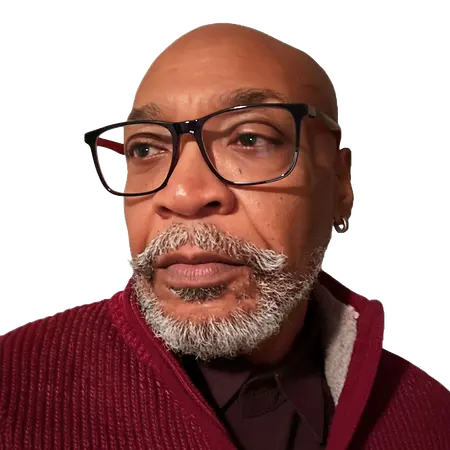
Ronald Stephen Houston
Owner / Author / Writer / Screenwriter / Ghostwriter, GorillaWorks Limited
I own my creative voice, and doing so is risky. If you connect with the readers, everyone is happy. If your writing fails, the blame is all yours.
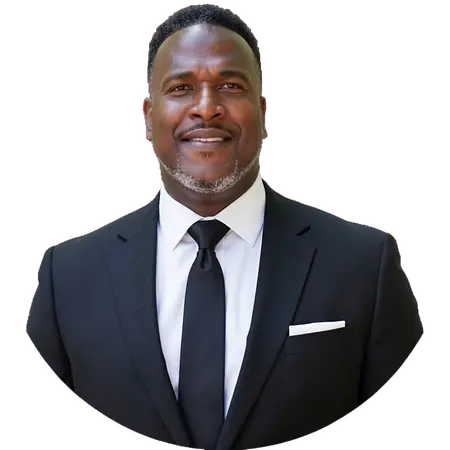
Charles Myles
Public Speaker, Trainer, Author, and Pastor, Powerful Days
One of the biggest risks I ever took was choosing to step away from the security of a long career in government contracting and fully pursue the work I believed I was called to do.
For nearly 20 years, I had the stability of a professional career, leadership responsibilities, and the opportunity to support projects connected to NASA's Jet Propulsion Laboratory. It was a tremendous experience, but over time I realized that my purpose was pulling me in another direction. I felt called to spend more of my life developing people, speaking, training, pastoring, teaching, and serving communities that often needed encouragement, leadership, and hope.
That calling eventually took me beyond traditional professional environments. It meant stepping into communities, correctional institutions, and prisons not just as a trainer, but also as a pastor and someone committed to helping people understand that their current circumstances did not have to define their future. Serving incarcerated individuals, correctional professionals, law enforcement officers, and people in the community became an important part of that journey.
Walking away from something stable was not an easy decision. There is always uncertainty when you leave what is familiar to pursue what you believe you are called to do. But I reached a point where playing it safe would have meant ignoring that calling.
"Sometimes the greatest risk is not stepping out. It is staying where you are after you know you have been called to move." Charles Myles
That decision led me to build Powerful Days and expand my work as a speaker, trainer, pastor, and community leader. It opened doors for me to serve people in environments I could not have imagined earlier in my career.
The risk did not eliminate every challenge, but it brought greater alignment between my work and my purpose. Taking that leap allowed me to build a life centered on helping people grow, lead, heal, and transform.
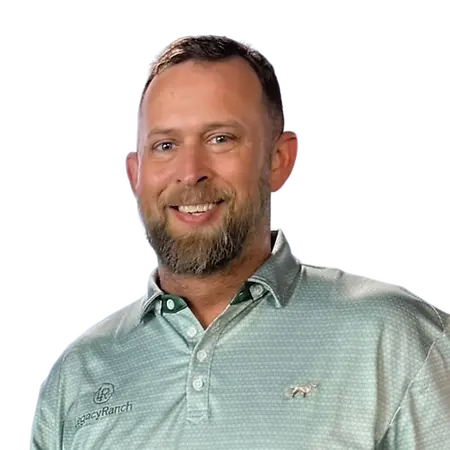
Dustin Mize
Senior Pre-Construction Manager, Baldwin & Shell Construction
Growth starts when comfort ends
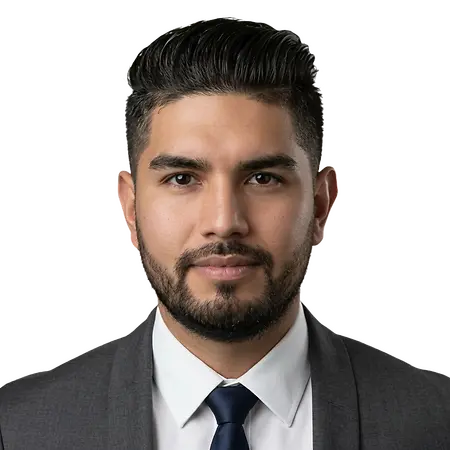
Manuel Grado
CEO & President, House of Osmar
The biggest risk I ever took was moving to Austin with almost nothing and betting on myself before I had any evidence that the bet would work.
I didn't have a college degree. I didn't have a career mapped out. I didn't have a safety net. What I did have was a strong belief that I was capable of more than the circumstances around me suggested.
At one point, I had very little money left. I remember eating popcorn as a meal because it was what I could afford.
Then Dell gave me an opportunity.
It was an entry-level small-business sales position paying $14 an hour.
I could have looked at the number and decided it wasn't enough. Instead, I looked at the opportunity.
I went all in.
I made roughly 200 outbound calls a day. I wore a suit every day. I studied technology, studied the business, learned how customers made decisions, and became obsessed with getting better.
That decision completely changed the trajectory of my career.
What started in small-business sales eventually took me into engineering, data center technology, cybersecurity, and back into technology sales. I built relationships with executives and technical leaders, learned how to operate on both sides of the table, and eventually built businesses of my own.
The risk wasn't taking the job.
The risk was believing in myself before anyone else had a reason to.
That has become one of the defining principles of my career. I don't need to have the entire path figured out before I take the next step. I need to recognize the opportunity, prepare myself for it, and have the courage to walk through the door.
That $14-an-hour job didn't look like much at the time.
It turned out to be the beginning of everything.
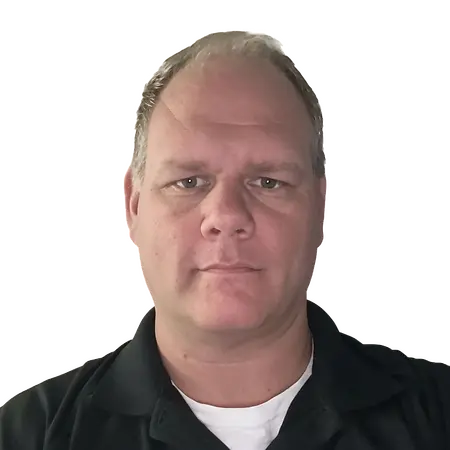
ROBERT RING
Correctional Sergeant, Mountain View Correctional Facility
When the department was looking for someone to take a group of inmates to go out ice fishing for a three day two night trip in the Allagash Wilderness Waterway in conjunction with Center for Justice and Human Dignity, I had a lot of questions and concerns with the premise initially, but I decided to jump in with both feet, and I was able to take point on the trip and have been leading the program since.
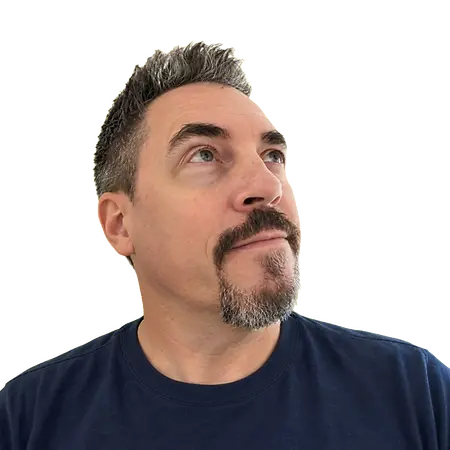
Mark Symanski
Lead Game Designer / Creative Director, Time Infinite Games LLC
I needed feedback and validity. I took my first game straight to one of the largest game conventions in the US, GenCon. It was a ton of work but worth every second of it. The feedback we received helped turn the game into what it is today. The risk was spending a ton of money to get no one interested in playing. However we had nearly 100 people playtest the game. We were the most played game that weekend in the test hall, and we got featured in Gaming Trends webzine in the cover spot!
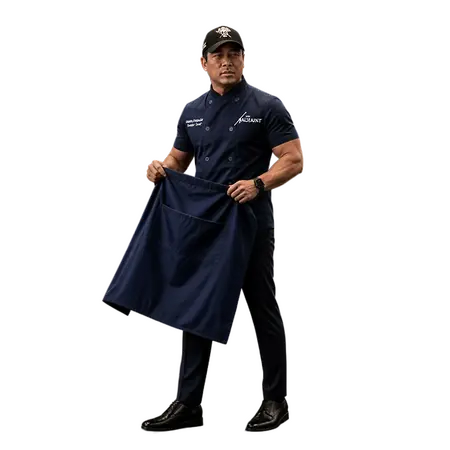
Bobby Daguplo
Resort Senior Sous Chef, Alyeska Resort
"Sometimes the biggest risk is not taking the chance."
After 28 years in kitchens around the world, I have learned that a chef's journey is about much more than food. It is about people, pressure, sacrifice, discipline, failure, and the courage to keep moving forward when the outcome is uncertain.
There was a point in my career when I had to make a choice: continue doing what was comfortable and familiar, or take a chance on the next chapter of my life.
I chose the risk.
Coming to Alaska and building my career here was not simply a change of location. It was a leap into a completely different environment, culture, and culinary landscape. I had to learn how to work with what Alaska offered, understand its incredible local products, and find my own voice within it.
There were plenty of moments when I questioned whether the decision was the right one. But I reminded myself why I took the leap in the first place. I didn't want to spend my career simply repeating what I already knew. I wanted to grow. I wanted to lead. I wanted to create. Most importantly, I wanted to leave something behind that was bigger than myself.
That decision changed everything.
It pushed me beyond being just a chef and challenged me to become a leader. I learned that leadership isn't about having all the answers. It's about standing beside your team when things get difficult, setting a standard, taking responsibility when something goes wrong, and giving people the confidence to become better than they were yesterday.
It also changed the way I look at food.
Alaska taught me to respect ingredients in a different way. Seafood, game, meat, produce when you work with products that are connected so closely to the land and ocean, you begin to understand that great cooking isn't about hiding the ingredient. It's about respecting it.
One of the most meaningful moments in this chapter of my career came when I was recognized as the 2026 Alaska Hotel and Lodging Association Kitchen Manager of the Year.
The award meant a great deal to me, but not because of the title itself. It represented the people who worked beside me, the long days and long nights, the mistakes we learned from, the standards we refused to compromise, and every difficult decision that helped shape the chef and leader I became.
Looking back, I realize that the greatest risk I took wasn't moving to a new place or accepting a new challenge.
It was believing that I could reinvent myself after nearly three decades in the industry.
And that belief opened a door I didn't know existed.
Today, I don't measure success simply by the dishes I create or the positions I've held. I measure it by the people I've influenced, the younger cooks I've helped develop, the guests we've given unforgettable experiences to, and the legacy I am still building.
After 28 years, I'm still learning. Still creating. Still taking risks.
Because I've learned one thing along the way:
You don't discover what you're capable of by staying where you're comfortable. You discover it when you have the courage to take the leap.
Jeramey Reed
Assistant Branch Manager, Mountain West Distributors
Completing 75 Hard was one of the clearest examples of discipline and commitment in my life. The challenge required me to be consistent every day, regardless of how busy I was, how tired I was, or how much I wanted to make an excuse. It pushed me to develop a greater level of discipline and taught me that progress comes from doing the things you committed to doing, especially on the days when you don't feel like doing them.
But completing it wasn't something I did alone. My wife played a huge role in making it possible. We had a small child at the time, which meant that the time and energy required to complete the challenge didn't just come from me. My workouts, schedule, and commitments affected our entire family. My wife supported me, helped make space for the things I had committed to, and carried additional responsibilities when I needed the time to follow through. Her support and willingness to sacrifice alongside me were a major part of my ability to finish.
The experience also taught me that discipline isn't always an individual pursuit. The commitments we make for ourselves can affect the people we love, and having a supportive partner makes a tremendous difference. It gave me an even greater appreciation for my wife and for everything she does to support me and our family.
More importantly, I became a better version of myself because of the experience. I learned that I am capable of doing difficult things consistently, even when circumstances aren't perfect. I developed more confidence in my ability to follow through, became more intentional with my time, and strengthened my understanding of what discipline really means.
75 Hard wasn't just about completing a 75-day challenge. It reinforced a mindset I want to carry into every area of my life: make a commitment, do the work, stay consistent, and don't quit simply because something becomes difficult. The challenge ended, but the discipline and lessons I gained from it continue to influence the way I approach my work, my family, my faith, and my personal growth.
Bryant Williams
Culinary Chef, NFinate Chef
The leap was walking away from comfortable kitchen paychecks to build something that belongs to my family. For years I cooked on cruise ships and in casino kitchens good money, someone else's dream. Playing it safe meant my wife and daughters would always live on a schedule set by an employer.
What made me take the risk was my faith and my family. I believed God put more in me than executing someone else's menu, and I wanted Rachel, Rubi, and Rémi to live free not paycheck to paycheck. So I bet on myself: Nfinite Chef, Williams Family Realty & Auto, my pistachio line, my cookbook.
What happened because I did? I stopped building someone else's table and started building my own. My first rental customer drove off in my Maxima. My e-cookbook launched. My businesses went live. I'm still in the fight, but now it's my fight and every step moves my family closer to freedom.
Ashish V. Desai
Owner, ABA Therapy Center
Early in my career, playing it safe looked like sticking strictly to established frameworks where success was predictable, controlled, and low-risk. I realized that comfort is often the quiet enemy of meaningful scale.
My defining leap came when I decided to step outside the safe boundaries of standard corporate predictability to commit fully to building new ventures from the ground up expanding into unfamiliar operational territories and championing initiatives where there was no blueprint to follow.
What made me take the risk was a fundamental shift in perspective: the true risk wasn't failing at something new; it was remaining comfortable while my full potential and vision went unrealized. I saw an opportunity to bridge strategic execution with real community and business value, and I knew that waiting for 'perfect timing' was just procrastination in disguise.
Taking that leap changed everything. It forced me to sharpen my strategic agility, build resilience, and move from being a manager of processes to a driver of transformational growth. Beyond the tangible outcomes expanding our operational reach and launching successful initiatives it fundamentally redefined how I lead. It proved that real authority in leadership isn't granted by safety; it's forged by stepping into uncertainty and executing anyway.
Ben Lauderdale
Reliability Engineer, Entrepreneur
One of the biggest risks I took was stepping outside the traditional path of reliability engineering and beginning to build software and applications.
For years, my work centered on machinery, condition monitoring, vibration analysis, predictive maintenance, and helping customers prevent failures. Software development was a different kind of challenge. There was no guarantee an idea would work, that users would respond to it, or that the first version would be successful.
What made the risk worth taking was recognizing that the problem-solving approach I had developed in reliability engineering transferred naturally to technology. I could identify a problem, understand the failure points, build a solution, test it, gather feedback, and continuously improve it.
That decision led me into app development, product testing, and quality assurance, while reinforcing something I had already learned through reliability work: the strongest solutions come from combining good data with strong relationships and honest feedback.
The experience changed the way I viewed my career. Rather than seeing myself only as someone who improves industrial equipment reliability, I began to see myself more broadly as someone who builds and improves systems, whether those systems involve machinery, software, or the people using them.
Keon Patrick
Owner, Investor Entrepreneur, and Organization Manager
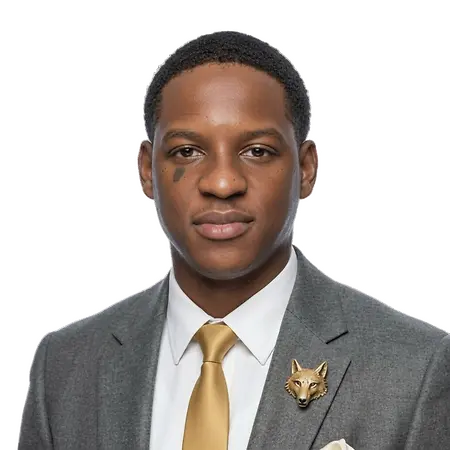
For years my win was nine doors in Fayetteville. Cash flowing, paid down, safe. Then I sat across from a billionaire who told me to sell them all and learn to raise capital, because I was built for more than nine doors.
Selling what you worked a decade to build feels like betrayal. But I realized playing it safe was its own generational curse. My family taught me to hold on to what you have. Nobody taught me to trade a good thing for a great one.
So I took the leap. I'm selling the portfolio, rolling it forward, and building toward apartment buildings, with a goal of 10,000 doors. In the same season I founded Patrick Capital Group, published The Black Sheep Blueprint, and started teaching first-generation wealth builders every week.
What happened because I did? I stopped being the guy with rentals and became the guy who breaks the cycle out loud. The risk wasn't losing the properties. The risk was dying with a vision still in me.
Joey Testa
Founder, HVAC Business Owner, Instructor & Business Mentor, Testafide HVAC Business Takeoff
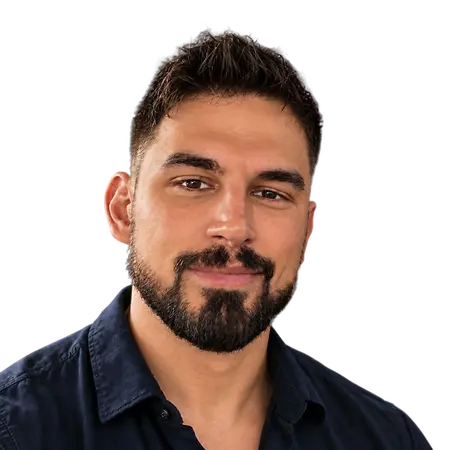
You don't have to have it all figured out to start. Be willing to learn, do what you say you'll do, and stay disciplined long enough to build something you're proud of.
Mathew Carl Lindholm
Platform Engineer (SkillBridge Intern), Defense Unicorns
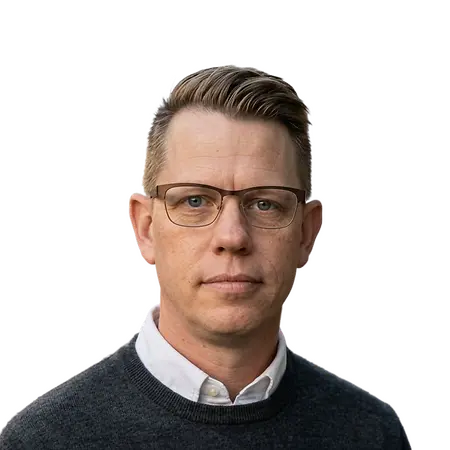
I've never played it safe a day in my life, but joining the Army was the decision that changed my life the most.
At 23, I'd been moving from job to job and was driving over-the-road for Schneider. I'd listen to stories on the radio about 18- and 19-year-old kids going to Iraq and getting blown up. I wasn't much older, but I kept thinking that I wasn't doing a whole lot with my life. If I could take a slot and spare even one of those kids, that would count for something.
That was why I enlisted. It led me from the infantry to becoming a pilot and eventually a technologist. Twenty years later, that path has brought me to platform engineering at Defense Unicorns.
My reason for joining reminds me of the story about a man throwing stranded starfish back into the ocean. Someone asks how he can possibly make a difference when the beach is covered with them. He picks up another, throws it back, and says, "I made a difference to that one."
I couldn't know what difference I would make when I joined. But I wanted to try.
Herbert Mozell
Consultant/Trainer, Persevere Consulting, LLC
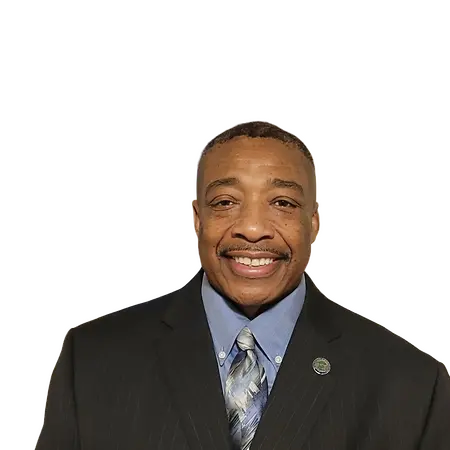
I decided to pursue my dream of developing non-profit residential treatment facilities for adolescents diagnosed with Emotional Behavioral Disorders. That strengthen my mindset to continue elevating and inspiring others to be the best they can daily. Taking this risk gave me the confidence and discipline to achieve a doctorate degree in education.
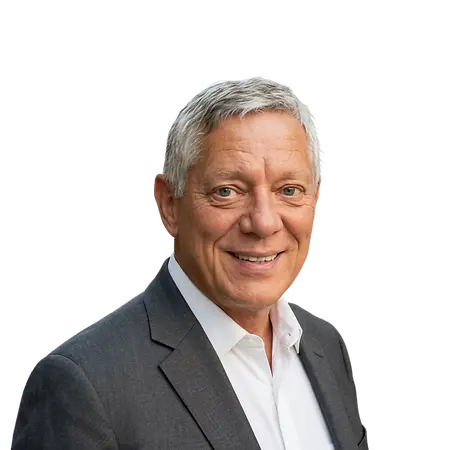
Richard K Cardoza
Owner, Cardoza Family Wines
I've taken quite a few leaps of faith in my life, beginning when I was 18 years old, selling handmade scrimshaw jewelry on the streets of Harvard Square. But perhaps the most meaningful was my decision to invest in the revitalization of the historic waterfront in New Bedford, Massachusetts.
By 2006, I had built Cardoza's Wine & Spirits into a successful regional business. I could have continued doing what I knew, enjoying the security of an established company. Instead, I invested more than $650,000 to transform a 170-year-old building at 90 Front Street into Cork Wine & Tapas Bar, right in the heart of the New Bedford Whaling National Historical Park.
At the time, the waterfront had tremendous history and character, but much of its potential remained unrealized. I believed that if we created something truly special something that brought people together and gave them a reason to rediscover downtown others would follow.
It wasn't just about opening a restaurant. It was about helping bring a historic neighborhood back to life.
And that's exactly what began to happen.
In 2009, the New Bedford Economic Development Council honored Cork with its Impact Award. Matthew Morrissey of the council credited the project with helping inspire other investments in the surrounding downtown and setting a higher standard for historic preservation and customer service.
That recognition meant more to me than simply having another successful business. It was confirmation that taking a risk for something you believe in can create opportunities far beyond your own front door.
Of course, not every leap I've taken has ended the way I expected. I've experienced tremendous success, financial setbacks, and more than one complete reinvention. But those experiences taught me that playing it safe can sometimes be the greatest risk of all because you may never discover what you're capable of accomplishing.
Today, approaching my 70th birthday, I'm taking another leap with Postcards from Tahoe and The Tahoe Bracelet Company. Both are built around a simple idea: create beautiful products that bring people joy while helping protect the extraordinary natural environment of Lake Tahoe and support the people who call it home.
I suppose the common thread throughout my life has been this: I've never been particularly interested in building a business just to make money. I've always been more excited about what a business can make possible for other people.
My philosophy is simple: Be kind and have fun. And when you have an opportunity to do something meaningful, don't be afraid to take the leap.
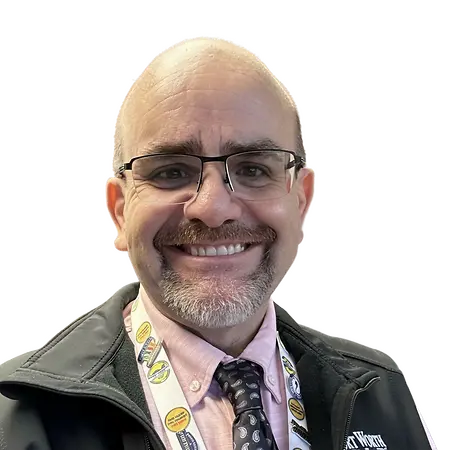
Brad Hunter, CAFM, EVT, ASE, FEMA, ICMA
Assistant Director-Property Management / Fleet Director, City of Fort Worth
My biggest risk was leaving the comfort of being a hands-on mechanic and stepping into the business side of leadership. I went from a world where I knew the work and trusted my technical abilities to one where I had to understand strategy, financial decisions, people, and perspectives very different from my own.
It wasn't easy. I made mistakes, had to challenge my own thinking, and learned that being technically right doesn't always mean you're approaching a situation the right way. It took persistence, accountability, and some difficult self-reflection to grow beyond what I already knew.
That leap ultimately took me from turning wrenches to executive leadership. More importantly, it gave me the ability to understand both sides of the business and help bridge the gap between strategic decisions and frontline operations. I didn't have to forget where I came from. I had to learn how to use that experience in a completely different way.
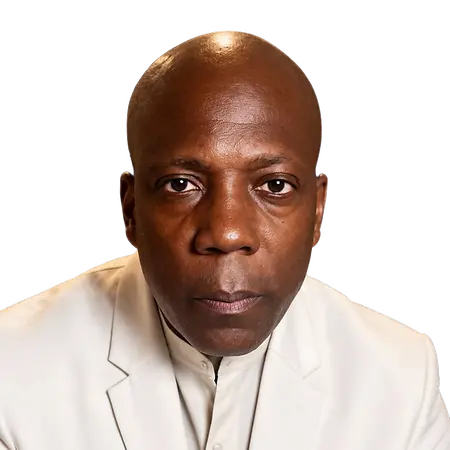
Dr. hc. Sheldon Woodson, BS, MM, Dr. hc., Delta Mu Delta
Writer, Producer, Director & Studio Head, WOODSON'S WORLD STUDIOS
The leap that changed everything for me was deciding to take ownership of my future as a filmmaker. I had spent 24 years in the Navy, where I understood the structure, the expectations, and what it took to lead. Pursuing filmmaking meant becoming a beginner again and putting my ideas in front of people who might not see what I saw.
Writing had been part of my life during my military career. At one point, I had to choose between pursuing it and continuing my service. I chose the Navy, but the desire to tell stories stayed with me. After retiring, I began moving toward screenwriting and filmmaking.
What pushed me to take the risk was realizing how much of my creative future I was leaving in other people's hands. I watched documentaries and interviews with directors I admired, and the message I kept hearing was simple: if you want to make films, start making them. I wanted to understand the entire process so I could give my stories a chance to exist.
That decision led me to establish Woodson's World Studios and develop my skills in writing, producing, directing, cinematography, and editing. It also led to projects such as URNS and A Clean Past, through which I've continued developing my voice as a spiritual and psychological storyteller.
The biggest change was in how I saw myself. I began treating my creative ambitions as responsibilities that required action. There were skills to learn, mistakes to work through, and projects to finish. Taking that leap gave me the opportunity to build a body of work and the confidence to keep going.
My blueprint is to prepare, take the first step, and keep learning as you move forward. Faith has helped me trust the journey; consistency has helped me do the work.
Keep Reading