“When you counsel someone, you should appear to be reminding him of something he had forgotten, not of the light he was unable to see.” — Baltasar Gracián, The Art of Worldly Wisdom
Change rarely happens because we decide to push harder. One of my biggest mistakes as an inexperienced coach was believing that the communication of knowledge alone was enough to create meaningful change.
For coaches, the central lesson is to match your support to the person’s current state of readiness.
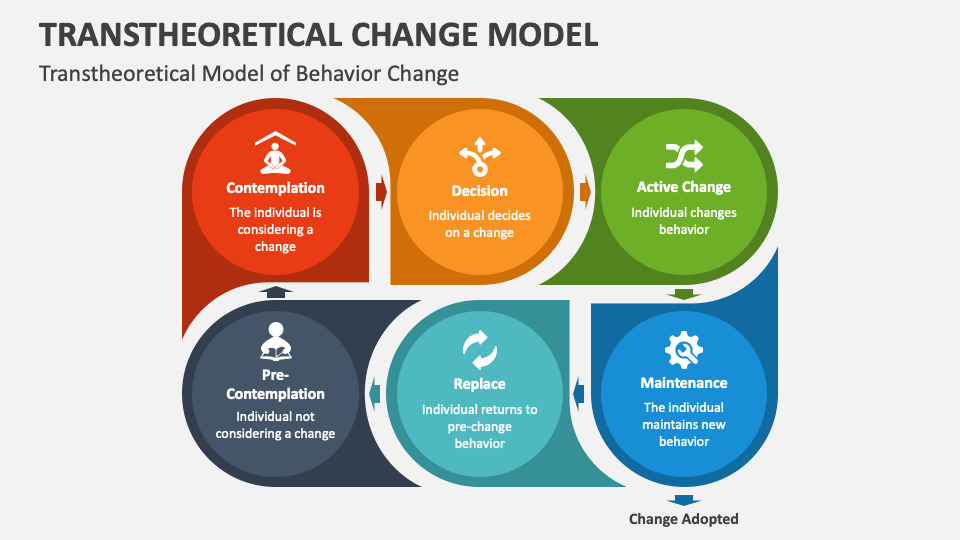
As a useful framework for understanding change, the Transtheoretical Model of Behavior Change explains how people move toward changing a behavior.
Developed by James Prochaska and Carlo DiClemente, it recognizes that change unfolds over time and that people need different kinds of support depending on their state of readiness.
The model outlines five main stages:
Stage 1: Precontemplation
What it means: The person isn’t considering change yet.
Exercise example: “I don’t see exercise as a priority right now.”
Stage 2: Contemplation
What it means: They recognize a reason to change but feel uncertain or conflicted.
Exercise example: “I want to get in shape, but I don’t know how I will find the time.”
Stage 3: Preparation
What it means: They intend to act soon and begin making a plan.
Exercise example: “My two training sessions are scheduled for this week.”
Stage 4: Action
What it means: They have started changing their behavior within the past six months.
Exercise example: “I’m following my schedule and training program.”
Stage 5: Maintenance
What it means: They have sustained the change for at least six months and plan to keep it going.
Exercise example: “Training is part of my routine, and I adjust it when life gets busy.”
People don’t necessarily move through these stages in a straight line. They may pause, return to an earlier stage, or make several attempts. The model also considers confidence, the perceived benefits and costs of change, and the strategies that help someone move forward.
The Self-Determination Theory of Human Motivation
Autonomy, competence, and relatedness are the three innate, universal basic psychological needs in Self-Determination Theory, a framework of human motivation developed by psychologists Edward Deci and Richard Ryan.
As a coach, understanding the importance of highlighting these three needs is critical, as your student must own this process to produce meaningful change.
Here are the three core needs defined:
- Autonomy: The feeling of control and ownership over your own choices and actions, rather than feeling forced or controlled by external pressures.
- Competence: The experience of mastery, efficacy, and feeling capable of succeeding at tasks or developing your skills.
- Relatedness: The need to feel connected, cared for, and a sense of belonging with other people or a community.
The Gap Between Knowing and Doing
The gap between knowing and doing is the only gap that matters.
Communication doesn’t force change. Communication should create the conditions in which change becomes possible.
Someone weighing whether to change may need a conversation about what matters to them. Someone ready to act may need a plan that clearly reflects their schedule instead of an exercise prescription. Someone maintaining a habit may need help navigating disruptions.
A Revised Framework for Coaches
Stage 1: Precontemplation
What people need: A safe space to begin considering the possibility of change.
Stage 2: Contemplation
What people need: An empathetic listener who can understand their perspective, recognize cognitive load, and invite collaboration.
Stage 3: Preparation
What people need: An encouraged sense of ownership, agency, and autonomy, along with a belief that change is now possible.
Stage 4: Action
What people need: A forward focus and a strong belief that change is possible, along with clear, defined next steps that begin to establish new habits.
Stage 5: Maintenance
What people need: Ongoing support and connection, along with scheduled check-ins to revisit goals and the “why” behind their current plan.
Build the Bridge
What sustains change over time isn’t a single conversation; it’s the relationship that you work to build. It’s the ongoing presence of someone who supports you through the process and helps you discover meaning without holding arbitrary outcomes over you.
There is a meaningful difference between creating the scaffolding of support and accountability and creating an environment of surveillance. More often, change happens because we collaborate to build a bridge strong enough for someone to cross.
Then we get out of the way and let them walk their own path.