Here is one of my all time favorite coaching quotes -
“When you counsel someone, you should appear to be reminding him of something he had forgotten, not of the light he was unable to see.” - Baltasar Gracián, The Art of Worldly Wisdom
Consider how hard it is to change yourself, and you’ll understand how foolish it is to think you can change someone else. At the intersection of empathy and social skills lies your ability as a coach to move outside of your personal agenda in the service of another person.
It is so much easier to project or just flat out tell someone what they should do than to take the risk and time to understand what they really want. But attempting to “fix” or conform them to your image of what they should be, do, feel or think is a mistake.
If you are trying to encourage learning or change in another person, then that requires a commitment to a level of curiosity that will lead to revealing what the person has energy, commitment and the desire to actually do.
The Righting Reflex
The righting reflex is the well-intentioned, but automatic, urge to identify a problem and solve it for someone else.
While it can begin as an act of innocent intention, or even a useful underlying motivation for the coach, motivational interviewing offers unique insights into when the righting reflex can interfere with interventions that actually produce desired change.
The righting reflex has its origins in a number of aspects of the coach’s experience, primarily projecting their ego. Beneath the explanation that the coach simply wants to be helpful, their role by nature also includes a professional pressure, to offer something of value to their client to actively demonstrate effectiveness so as to be seen as fulfilling their role as the problem solver.
This issue is partly due to the culture of how coaches are trained where skill and expertise are signaled by a directive in which the coach has all the answers.
So, this pressure can often sponsor the coach to favor interventions that involve more action on their part, including offering corrections, warnings, and solutions to their client, regardless of their current state of readiness.
If all else fails, remember this - “It’s not about you!”
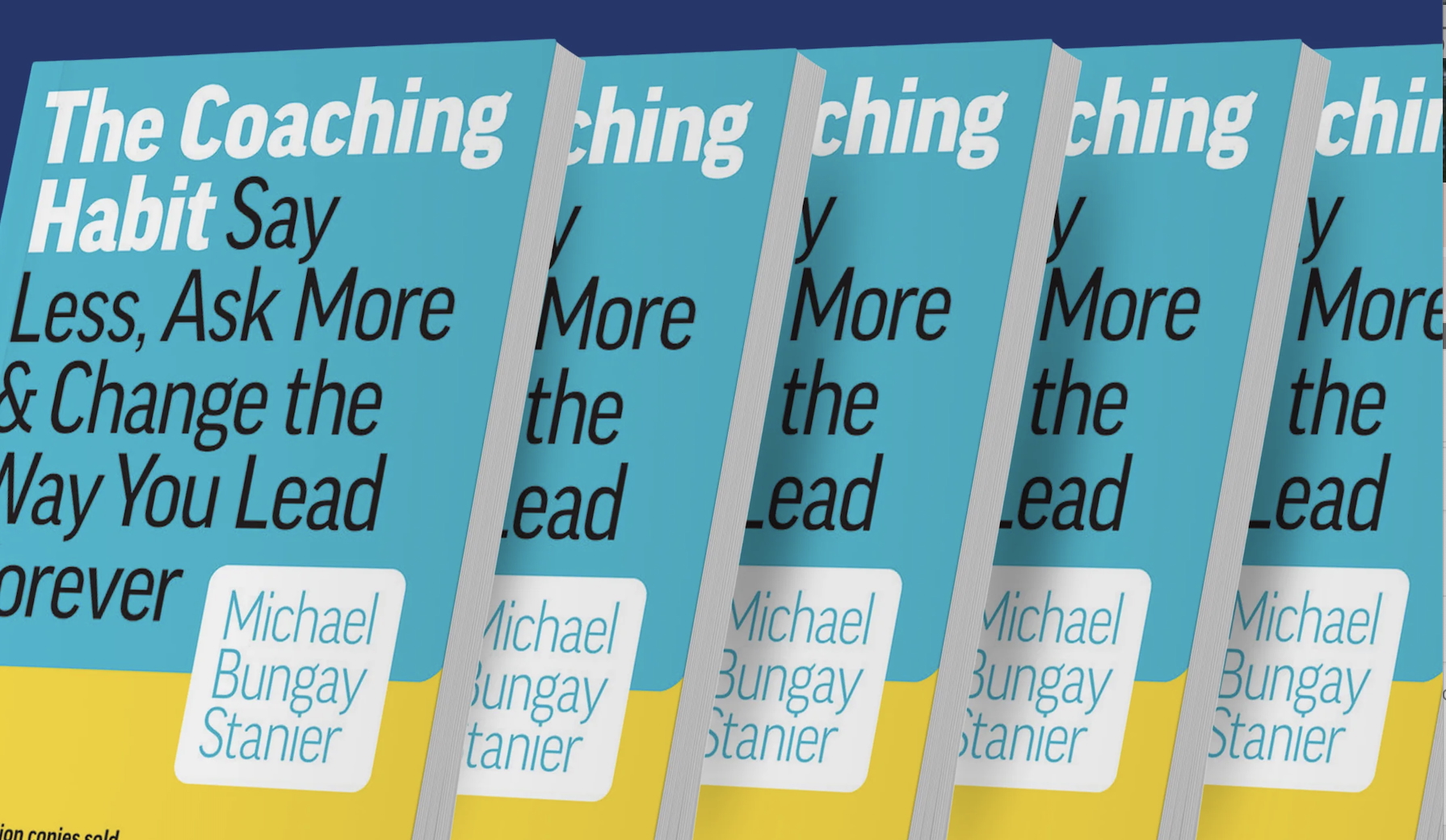
Resource Highlight: “The Coaching Habit”
The Coaching Habit by Michael Bungay Stanier is a wonderful coaching resource and one of the most useful from this genre.
The author argues that effective coaching begins with curiosity. When you take a moment to listen and then pause before offering up your advice, you give people room to understand their challenges and take personal agency for their decisions. This is the way to reduce your bias and move someone toward a desired change that will actually last over the long-term.
Main points:
- Make coaching part of everyday conversations. It can happen in a brief check-in and doesn’t always require a formal session.
- Resist the urge to fix everything. Jumping straight to solutions can prevent you from understanding what someone actually needs.
- Help people think for themselves. Your contribution includes developing their judgment and confidence, alongside helping with the immediate problem.
The book organizes this approach around SEVEN questions.
1. The Kickstart Question
- “What’s on your mind?”
- Purpose: Bypasses small talk and gets straight to what matters most to the other person.
2. The AWE Question
- “And what else?”
- Purpose: This is the quickest way to uncover deeper insights. The first answer someone gives is rarely their only reason.
3. The Focus Question
- “What’s the real challenge here for you?”
- Purpose: Stops people from trying to fix the wrong problem. It forces them to identify the core issue instead of talking about a broad situation.
4. The Foundation Question
- “What do you want?”
- Purpose: Helps the person clarify their actual outcome or need, removing assumptions and hidden agendas.
5. The Lazy Question
- “How can I help?”
- Purpose: Forces the other person to make a direct request and stops the coach from immediately jumping in to offer advice or take over the work.
6. The Strategic Question
- “If you’re saying yes to this, what are you saying no to?”
- Purpose: Protects people’s time and boundaries by making them commit to the trade-offs of their choices.
7. The Learning Question
- “What was most useful for you?”
- Purpose: Creates a learning moment at the end of the conversation and can help the person reflect on and retain the key takeaway.
Notes for Implementation:
- Finding the “Why”, not asking “Why?”: Avoiding “Why” queries in favor of curiosity-building “What” questions advocates for the client while also avoiding placing the coach in a position of projecting judgement onto the client. This is key when attempting to find their true “Why.”
- Embrace silence and active listening: This is very challenging at first, but with practice, the coach will learn to embrace the silence and give the other person time and space to think.
- “How Can I Help?”: In my opinion, the most powerful question of the seven. Asking how you can help completely removes your coaching bias from the equation and puts the direction of the potential solution squarely into the other person’s hands. In turn, that control is solid gold in terms of reinforcing agency and autonomy when the primary objective for the client is to practice behaviors that will produce lasting change.