The People Who Keep America Running: Why the Skilled Trades Matter
By David C. White
Most people don’t think about the men and women who keep America running until something stops working. When the air conditioning goes out in a hospital, a refrigeration system fails in a grocery store, or a piece of equipment shuts down a manufacturing facility, suddenly the value of a skilled tradesperson becomes very clear.
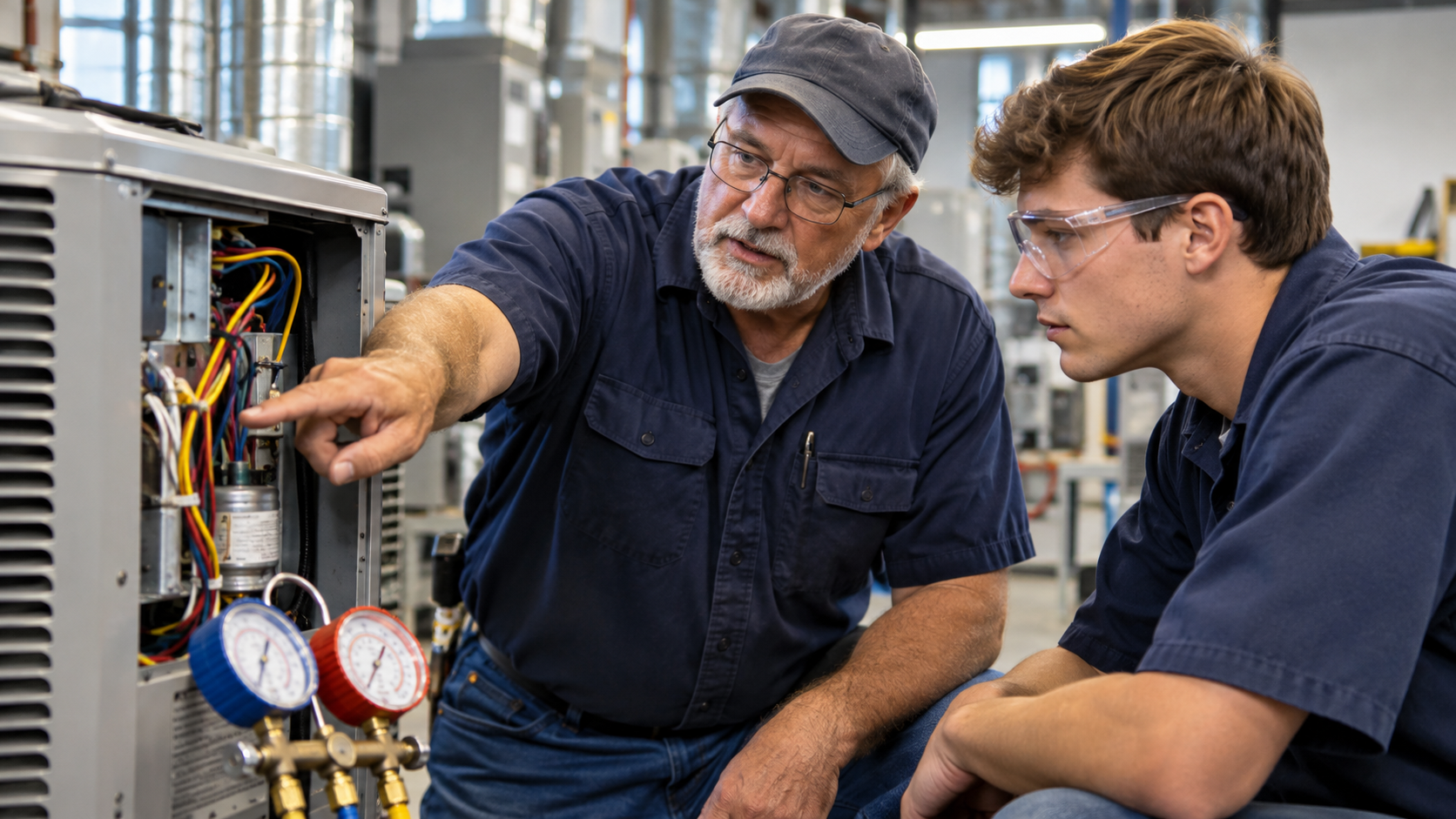
I’ve spent much of my working life around these people. I’ve worked in a paper mill, serviced heating and air conditioning equipment, worked in management, and now spend my days teaching the next generation of HVAC technicians. Over the years, I’ve learned that some of the most valuable lessons in business and leadership aren’t necessarily taught in a boardroom.
Sometimes, they’re learned standing beside a piece of equipment, working with your hands, and figuring out how to solve a problem that someone else is depending on you to solve.
It’s Never Too Late to Change Direction
I spent 23 years working in the paper industry before changing careers and entering the heating and air conditioning profession at around 40 years old.
Changing careers at that stage of life wasn’t necessarily the easiest thing to do. I had years of work experience behind me, but there was still a great deal I needed to learn. I went on to earn an associate degree in Occupational Technology and spent approximately 15 years working as an HVAC service technician before moving into equipment management and eventually education.
Today, at 67 years old, I teach heating, air conditioning, and refrigeration at Remington College in Mobile, Alabama.
If there’s one thing my professional journey has taught me, it’s that learning doesn’t have an expiration date. You don’t have to be 18 years old to begin a new career, and you don’t have to stop contributing simply because you’ve reached what society considers retirement age.
Experience has value, especially when we’re willing to share it with others.
An Industry That Never Stands Still
When I entered the HVAC industry, equipment was considerably different from what we see today. While the basic principles of refrigeration haven’t changed, the technology surrounding those principles certainly has.
Today’s technicians must understand electrical systems, electronic controls, variable-speed motors, inverter technology, communicating equipment, and changing refrigerant requirements. They must also understand energy efficiency, environmental regulations, and increasingly sophisticated diagnostic procedures.
The days when someone could enter the profession with a handful of tools and a basic understanding of mechanical equipment are becoming a thing of the past.
The modern HVAC technician is a problem solver who must combine technical knowledge with practical experience.
This isn’t unique to HVAC. Electricians, plumbers, welders, industrial maintenance technicians, and other skilled professionals are experiencing similar changes within their industries.
Technology isn’t eliminating the need for skilled tradespeople. It’s changing what we need them to know.
For business leaders, that means employee education can no longer be viewed as something that takes place only when a person is first hired. Continuing education must become part of doing business.
Teaching More Than Technical Skills
As an instructor, my responsibility goes beyond teaching students how to read electrical diagrams, troubleshoot equipment, or understand the refrigeration cycle.
I’m also preparing them to enter the workforce.
One of the things I emphasize in my classroom is that knowing how to repair a piece of equipment is only part of being a successful technician.
Showing up on time matters. Being prepared matters. Taking responsibility for your mistakes matters. Treating customers and coworkers with respect matters.
A technician may have an impressive amount of technical knowledge, but if an employer cannot depend on that individual to show up and perform the job professionally, that knowledge loses much of its value.
I also encourage students not to be afraid of saying they don’t know something. There is nothing wrong with not knowing the answer. The problem comes when someone isn’t willing to find it.
Some of the best technicians I’ve known throughout my career weren’t necessarily the ones who knew everything. They were the ones who never stopped asking questions.
These are lessons that apply just as much in an executive office as they do in a mechanical room.
Rethinking What Success Looks Like
For many years, young people have been encouraged to pursue a four-year college degree as the primary path toward professional success.
There is certainly nothing wrong with earning a college degree. We need doctors, engineers, accountants, teachers, and other professionals whose careers require that level of education.
But we also need people who can keep the buildings where those professionals work operational.
A hospital cannot function properly without reliable heating, cooling, ventilation, electrical, and plumbing systems. A manufacturing facility cannot remain productive when its equipment is constantly breaking down. A restaurant cannot operate safely without dependable refrigeration.
Behind nearly every successful business is a group of skilled individuals whose names rarely appear in the company’s annual report.
We need to recognize technical education as a respectable and valuable career path, not simply as an alternative for those who choose not to attend a traditional university.
Success should not be measured solely by the type of degree someone holds, the clothes they wear to work, or whether their office has a window.
There is dignity in doing honest work, solving problems, and providing a service that others depend upon.
The Responsibility of Business Leaders
Business owners and industry leaders have an important role to play in developing the next generation of skilled professionals.
Employers often want to hire individuals who already have experience. That’s understandable. However, someone has to provide these individuals with their first opportunity to gain that experience.
Technical schools can provide students with foundational knowledge and hands-on training, but education doesn’t end when a student graduates.
That’s where employers and experienced professionals must become involved.
Mentorship, apprenticeships, on-the-job training, and continuing education should be viewed as investments rather than simply business expenses.
When an experienced employee takes the time to teach a younger worker, that employee is doing more than sharing information. They’re helping preserve knowledge that might otherwise leave the company when they retire.
There is a difference between having employees and developing employees.
Good leadership recognizes that difference.
I would encourage business leaders to develop relationships with local technical schools, visit classrooms, speak with students, and participate in programs that help prepare individuals for employment.
If businesses want a better-prepared workforce, they have an opportunity to help build one.
Passing Along What We Have Learned
At this stage of my life, I find myself thinking more about what I can pass along to others.
In addition to teaching, I’ve written books to help homeowners better understand their heating and air conditioning systems. I believe people benefit when we take complicated subjects and explain them in a way that makes sense to the average person.
Knowledge doesn’t have to remain within the walls of a classroom, a business, or a particular profession.
Throughout my working life, there have been people who took the time to teach me something. Some taught me technical skills, while others taught me lessons about responsibility, patience, and dealing with people.
Not all of those lessons came from textbooks.
Now, I have the opportunity to do for others what those individuals once did for me.
I believe that is one of the responsibilities that comes with experience.
Regardless of the industry we’re in, there comes a time when our greatest contribution may no longer be what we can accomplish ourselves, but what we can help someone else accomplish.
America will continue to need skilled men and women who are willing to learn, work hard, solve problems, and take pride in what they do.
Our responsibility as educators, employers, and experienced professionals is to make sure the next generation has the knowledge, encouragement, and opportunities necessary to succeed.
After all, the future of an industry isn’t determined solely by the equipment it manufactures, the technology it develops, or the profits it generates.
It’s also determined by the people we prepare to carry it forward.
About the Author
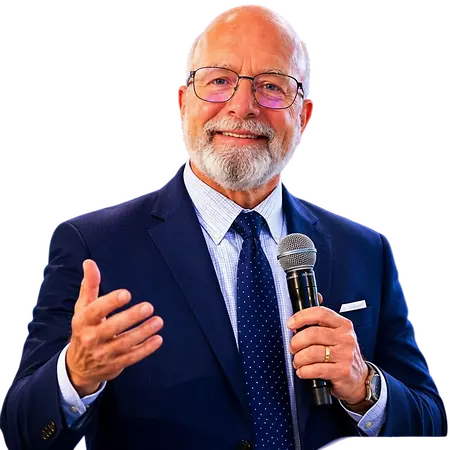
David C. White is an HVAC instructor at Remington College in Mobile, Alabama, with a professional background in manufacturing, HVAC field service, equipment management, and technical education. He holds an associate degree in Occupational Technology and is the author of Homeowner Heating & Air Conditioning Basics: What Every Family Should Know.
He is passionate about technical education, workforce development, and helping individuals better understand the heating and air conditioning industry. He also writes about professional experiences, family, and lessons learned throughout his life.
Website: https://davidcwhitehvac.com