
The $45,000 Lesson That Built a Better Path to Parenthood
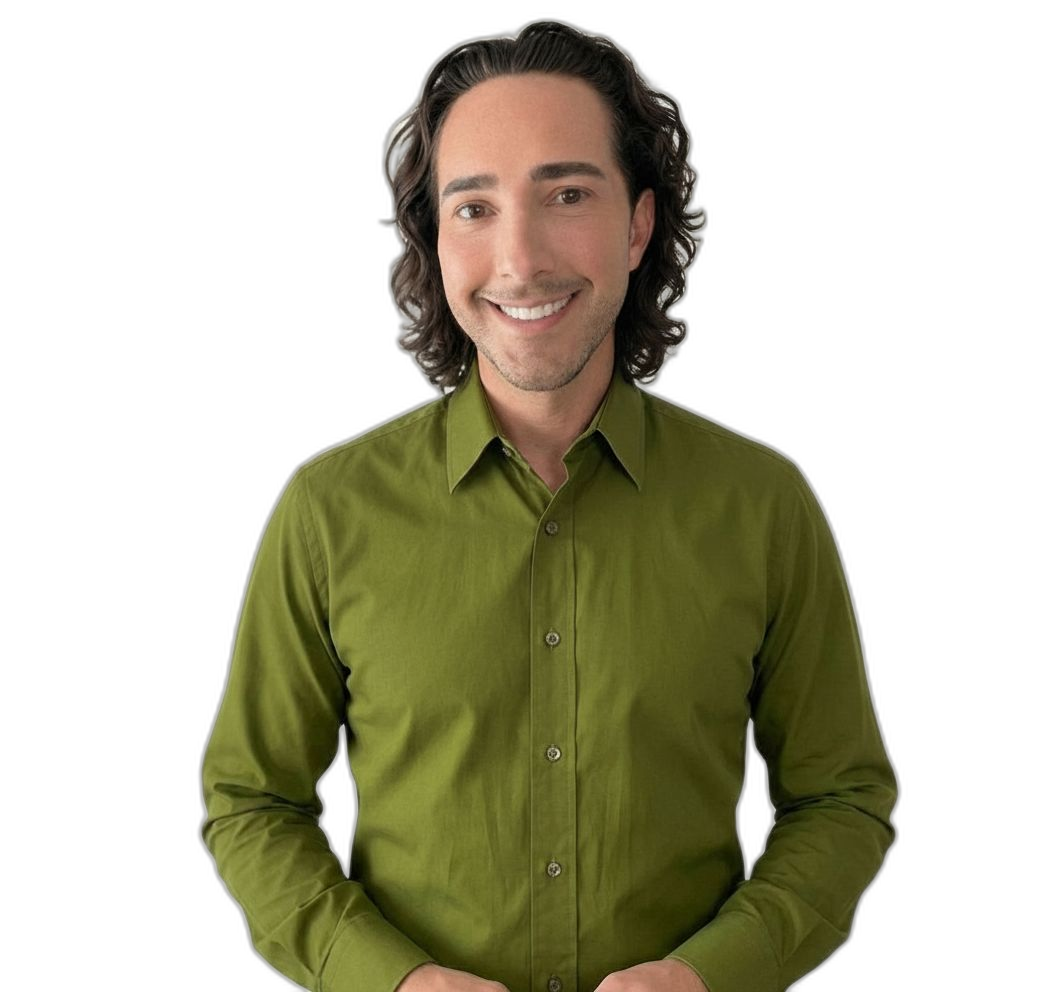
Daniel Malak
Co-founder & CEO
Pineapple Family
01
Tell us about Pineapple Family and how it came to exist.
My husband, Joshua and I, pursued surrogacy in 2020 through a traditional agency. We paid $45,000. Our surrogate had an embryo transfer, then stopped taking her progesterone shots — the medication required to sustain the pregnancy. The pregnancy failed.
We asked the agency what happened. They blamed our clinic. They blamed our carrier. They took no responsibility. We asked for our money back. They said no, until we made clear we'd go public. The refund came with an NDA. That NDA didn't silence us. It made us ask a harder question: if the agency had no accountability when things went wrong, what exactly were we paying $45,000 for? So we went independent. It was harder than it needed to be. But it worked. We have our children. And then we built the thing that didn't exist when we needed it.
02
What does Pineapple Family actually do differently?
Agencies charge $30,000–$60,000 to coordinate professionals you can hire directly. That's the whole model.
Pineapple replaced that markup with software. Families pay $7,500 for surrogacy, $3,500 for egg donation, or $10,500 for both. The licensed professionals who ensure safety — clinicians, attorneys, psychologists — work with families directly. We provide matching, journey management, provider directories, in-platform communication, and an education center built to publishing standards. Agencies don't screen surrogates; clinics do. They don't write legal contracts; attorneys do. We're unapologetic about that structural critique.
03
What was the biggest turning point in your career?
The moment our first agency refused our refund.
Up until that point, I assumed they were incompetent — a bad actor in an otherwise legitimate system. When they refused to return the money until we agreed to silence, I realized the NDA was the business model. Transparency is what they fear. That's when I knew we had to build something transparent.
04
What challenges have you had to overcome?
The agency had convinced us that surrogacy was too complicated to manage alone. It wasn't.
It was intimidating, yes. Expensive, absolutely. But the actual work — the medical screening, the psychological evaluation, the legal contract, the escrow — is done by licensed professionals regardless of whether an agency is in the room. We reconnected with our friend Samantha, who had done this before and knew exactly what she was doing. We hired an attorney. We chose our clinic. We managed it ourselves. We had two kids. Our son Calvin was born in March 2023. Our daughter Berkeley was born in March 2025. Total cost for two successful journeys: roughly the price of one failed agency journey.
05
What key lesson has shaped the way you build?
Agencies don't own the expertise. They own the distribution channel.
They've convinced families, carriers, and donors that you need them. You don't. You need good information and the right tools. That's what Pineapple is.
06
How do you define success?
For Pineapple Family: a family-building journey where the cost is $7,500 instead of $60,000, where transparency is non-negotiable, and where the carrier, egg donor, and intended parents all have equal access to information and support.
For me personally: having kept my promise to Joshua and to Sam. We said we'd never stay quiet. We didn't.
07
What separates great leaders from average ones?
Specificity. Average leaders talk about disrupting industries. Great ones explain exactly what the intermediary does and exactly how much it costs.
Great leaders say: "Agencies charge $30,000–$60,000 to coordinate professionals you can hire directly." Not, "We're leveraging technology to reimagine family-building." Boring clarity beats compelling bullshit.
08
What industry trends are you paying attention to?
The shrinking pool of U.S. surrogacy due to cost and access. The moral injuries being reported by carriers in international surrogacy programs. The legal erosion of reproductive autonomy across U.S. states, and how that makes people desperate enough to risk international surrogacy.
All of those trends feed each other. Fix the cost and accessibility in the U.S., and you solve for ethics globally.
09
What are you most proud of building?
The equity stake for Samantha.
She carried our children. She also has a law degree and a clear-eyed view of the industry's failures. Making her a co-founder with an equity stake was non-negotiable. Too many family-building platforms treat carriers as vendors. We treat her as what she is: the co-founder of this company. That's the model we want to see replicated.
10
What advice would you give aspiring entrepreneurs?
Build in spaces where incumbents profit from opacity. Transparency is a competitive advantage.
Publish your sources. Label your opinions. Show your work. Make it hard for people to doubt you. And be prepared to be sued for it. We were. We are. It's the cost of telling the truth about industries that have successfully hidden their own costs.
11
What's next for Pineapple Family?
We're deepening the platform on the supply side. Gestational carriers are the foundation of this market, and right now they're underserved by every product in it. That changes with us.
Long-term, the U.S. agency premium has pushed families toward international surrogacy programs with serious ethical and legal exposure. We believe transparent, accessible independent surrogacy in the U.S. is a credible answer to that, and we intend to be the infrastructure that makes it real.