

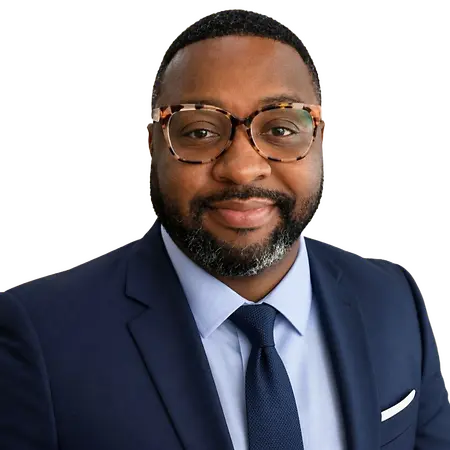
FOUNDER TO THE PROFILE
Quan Powers, M.Ed.
Dance Educator, Wake County Public School System
“I attribute much of my success to my grandmother, who always believed I was destined to become a teacher, even when I could not envision that path for myself. She often told me that she knew I would become an educator, but I repeatedly insisted that teaching was not what I wanted to do. When she was diagnosed with cancer, it became a turning point in my life and prompted me to reflect on my future and take steps toward building a meaningful career. I enrolled in an alternative certification program, and just one day before my grandmother passed away, I received my very first teaching job offer. That moment remains deeply meaningful to me because I knew I had made her proud. I also attribute my success to the unwavering support of my grandmother and grandfather, who believed in me regardless of how many times I changed my mind or reconsidered my direction. They never made me feel that I was incapable of achieving my goals, and their faith in me taught me the importance of believing in myself and pursuing opportunities with confidence. Also, my mother, she was a single mother and sacrificed a lot to make sure that I always had what I needed. She has always been my biggest cheerleader and continues to always make me feel seen, heard and valued.”
About
Key Areas Of Focus
- 01. Dance
- 02. Arts Education
- 03. Education
IN HIS OWN WORDS
The Q and A
-
01
What do you attribute your success to?
I attribute much of my success to my grandmother, who always believed I was destined to become a teacher, even when I could not envision that path for myself. She often told me that she knew I would become an educator, but I repeatedly insisted that teaching was not what I wanted to do. When she was diagnosed with cancer, it became a turning point in my life and prompted me to reflect on my future and take steps toward building a meaningful career. I enrolled in an alternative certification program, and just one day before my grandmother passed away, I received my very first teaching job offer. That moment remains deeply meaningful to me because I knew I had made her proud. I also attribute my success to the unwavering support of my grandmother and grandfather, who believed in me regardless of how many times I changed my mind or reconsidered my direction. They never made me feel that I was incapable of achieving my goals, and their faith in me taught me the importance of believing in myself and pursuing opportunities with confidence. Also, my mother, she was a single mother and sacrificed a lot to make sure that I always had what I needed. She has always been my biggest cheerleader and continues to always make me feel seen, heard and valued.
-
02
What’s the best career advice you’ve ever received?
The best career advice I have ever received is to remember that one person’s opinion of me does not define who I am or determine my worth. Throughout my career, I have learned that some leaders will recognize and appreciate my contributions, while others may feel threatened by my accomplishments or capabilities. It is important not to allow someone else’s perception to influence how I see myself or diminish my confidence. I believe the key is to remain authentic, stay grounded in my values, and continue focusing on personal and professional growth. Ultimately, my greatest competition is myself, not anyone else. By concentrating on becoming a better version of who I was yesterday rather than comparing myself to others, I can continue to grow, learn, and move forward with confidence.
-
03
What advice would you give to young men entering your industry?
My advice to young men entering the education industry is to prioritize their well-being and make decisions that support their personal and professional growth. Through my involvement in a mentorship program with the National Dance Organization, I have learned the importance of encouraging others to remain resilient when facing setbacks. I mentored someone who lost her first teaching job and was understandably discouraged, but I reminded her that even if she had not found another position right away, she would have been okay because new opportunities would eventually come along. In education, people often struggle with whether to stay or leave when they feel they are no longer in the right environment. I believe it is important to remember that an organization will continue operating and fill a position when someone leaves, so you must make decisions that serve your best interests and well-being. Ultimately, stay true to yourself, recognize your worth, and never feel obligated to sacrifice your happiness or growth for a position that no longer serves you.
-
04
What are the biggest challenges or opportunities in your field right now?
I believe one of the biggest challenges in education right now is navigating the experience of being a Black man in the field. Too often, Black male educators are viewed primarily as disciplinarians rather than being recognized for the many other skills, talents, and leadership qualities they bring to education. We are capable of so much more, including mentoring students, developing innovative programs, leading teams, and shaping educational policy.
In Arts Education, another challenge is that being an excellent teacher can sometimes become a barrier to advancement. When you are effective in the classroom, there can be an expectation that you should remain there, rather than being given opportunities to grow into leadership roles where your knowledge and experience can have a broader impact.
At the same time, I see tremendous opportunities for Black men in education to redefine leadership, advocate for equity, mentor the next generation of educators, and help shape the future of Arts Education. Our experiences, perspectives, and talents are valuable beyond the classroom, and it is important that we are given the opportunities and support to grow, lead, and make an impact at every level of education.
-
05
What values are most important to you in your work and personal life?
Honesty is the most important value to me in both my professional and personal life. I believe open and honest communication creates opportunities for understanding, growth, and productive conversations, even when there are disagreements. For example, when making decisions that affect students or the school, I value having a thoughtful discussion about concerns and understanding different perspectives rather than simply being told no. I also value directness because I believe addressing issues openly and respectfully allows people to find solutions more effectively. Above all, I believe in staying true to yourself in every aspect of life. I respect people who remain authentic to their values and principles rather than changing who they are simply to fit in or meet others' expectations.
LEARN MORE
Interested in
Learning
More About Notable Men?
Notable Men brings together influential voices across industries to share insights, experiences, and perspectives that matter.
Learn More