Share your voice — Be featured in Notable Men
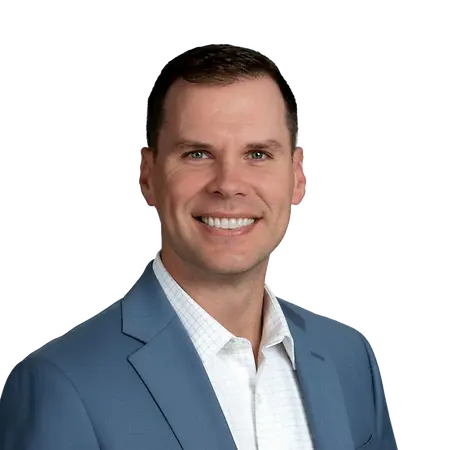
Michael Crane, Senior Strategic Partnership Director on Notable Men

FOUNDER TO THE PROFILE

Michael Crane

Senior Strategic Partnership Director, Michael Crane

“You don't have to remain who you were, and life doesn't have to be easy for you to be happy. Embrace every chapter, and let them shape who you become.”

BASED IN
Greenwood Village, CO 80111
INDUSTRY
Healthcare

CONNECT

About

Michael Crane’s career has been anything but conventional. A former firefighter and paramedic turned healthcare executive, he has built his professional life around a consistent purpose: making a meaningful difference in people’s lives. Today, as a strategic partnerships leader at Talkiatry, he works to expand access to mental health care and connect people with solutions that can change lives.

Crane graduated from Sacramento State in 2006 while training as a firefighter-paramedic at UC Davis Medical Center and earned his MBA from Arizona State University in 2010. After five years in the fire service, a medical retirement at age 26 forced him to reconsider his path. What could have been an ending became a turning point, leading him into hospital work and eventually healthcare technology startups, where he helped organizations grow and experienced firsthand the opportunities and challenges of building something new. In 2010, he also received congressional recognition for performing CPR that saved a life.


His commitment to mental health care is both professional and personal. Experiences within his own family have given him a deeper understanding of the complexities of mental health, the fragility of trust, and the lasting impact these struggles can have on relationships. These experiences have shaped his belief that vulnerability is a strength, empathy is essential, and meaningful connection begins when people feel safe enough to be honest. In an increasingly technology-driven healthcare landscape, Crane remains focused on the human connection at the heart of care.


The lessons he carried from emergency services into business, integrity, teamwork, accountability, and clear communication, continue to shape his leadership philosophy. Outside of his career, Crane is a proud father of three who finds fulfillment in coaching, sports, and watching his children discover their own passions. Fatherhood and life's unexpected turns have reinforced his belief that growth rarely follows a straight line and that some of life's most important lessons come through experiences we never would have chosen.


For Crane, success is about more than professional milestones. It is about showing up for the people who matter, staying open to what life has to teach, and finding purpose in the unexpected. His story is a reminder that sometimes the most meaningful direction is the one you never planned.

IN HIS OWN WORDS

The Q and A

  1. 01

    What do you attribute your success to?

    I attribute my success to resilience, the people who invested in me, and the lessons I've learned through sports, service, and life's unexpected turns.


    I didn't take a traditional path. I faced challenges early in life, including being kicked out of high school for fighting. Growing up in a difficult home, sports became my safe place. Playing football gave me structure, purpose, and a sense of belonging. It also introduced me to incredible coaches, mentors, and teammates who helped shape my character and showed me the impact that the right people can have on someone's life. Those experiences taught me discipline, accountability, teamwork, and how to keep showing up when things get difficult. Playing college football reinforced those lessons and helped lay the foundation for the person and leader I would become.


    My time as a firefighter and paramedic deepened that foundation. It taught me the importance of trust, preparation, integrity, and being able to rely on the people beside you when the stakes are high. When a medical retirement forced me to rethink my future, I had to find a new direction. That transition taught me that setbacks don't have to define you; they can become turning points if you're willing to adapt, learn, and take the next step.


    Throughout my career, I've come to believe that success is rarely achieved alone. I'm grateful for the people who have challenged me, believed in me, and opened doors along the way. I try to pay that forward by leading with empathy, building genuine relationships, and creating opportunities for others to grow. I believe vulnerability is a strength, kindness is a form of intelligence, and the best leaders understand that results matter, but so do the people behind them.


    Today, as a father of three, those lessons mean even more. I want my children to understand that their circumstances don't have to determine their future, that character is revealed in how they treat others, and that growth comes from the choices they make every day.


    Ultimately, I attribute my success to the ability to keep evolving, the willingness to learn from difficult experiences, and the people who have helped me along the way. I can't control every circumstance, but I can control my attitude, my effort, and how I show up for the people who count on me.


  2. 02

    What’s the best career advice you’ve ever received?

    One of the most valuable lessons I've learned is to focus on what you can control: your attitude, your effort, and your response to adversity. You can't always control the circumstances you're given, the decisions others make, or how quickly opportunities come your way, but you can control how you prepare, how you treat people, and the standard you hold yourself to.


    That mindset was instilled in me through sports and reinforced during my time in the fire service. Both taught me that success comes from preparation, accountability, teamwork, and consistently showing up for the people who depend on you. Throughout my career, I've carried that philosophy into every role, especially during the moments when I've had to adapt, take risks, or start over.


    I've also learned that relationships matter just as much as results. Be someone people can trust, stay curious, remain humble enough to learn, and never underestimate the value of treating people well. Titles and circumstances can change, but your character and reputation follow you everywhere.


    Ultimately, you can't control every outcome, but you can control the person you become along the way.

  3. 03

    What advice would you give to young men entering your industry?

    My advice is to be patient, believe in yourself, and never feel like you have to become someone else to be successful. Healthcare is a relationship business, and the most effective people understand that confidence and humility can coexist. Lean into what makes you different, be honest about your blind spots, and recognize that the things you once viewed as weaknesses or vulnerabilities can become some of your greatest strengths.


    For me, mental health care is deeply personal. My father experienced a mental health crisis that profoundly affected our family and shaped my understanding of the importance of access to care. That experience is one reason I share my story with healthcare leaders. It's easy to get caught up in budgets, metrics, and systemwide challenges, but behind every number is a person. If we can make a difference in one person's life, that matters. Never lose sight of the individual while working to improve the system.


    On a personal level, I'd tell young men that the race is you versus you, not you versus everyone else. It's easy to measure your life against someone else's career, relationships, finances, or version of success. I've learned that protecting your peace, investing in a small circle of people you trust, and being intentional about where you spend your time can be far more valuable than trying to keep up with everyone around you. I'm not particularly active on social media outside of LinkedIn, and I've come to appreciate a quieter life built around meaningful relationships rather than constant comparison.


    I'm also navigating a significant personal transition of my own, including the loss of a marriage and a friendship that meant a great deal to me. It's difficult, and I'm learning that you can acknowledge the pain of losing something important while still moving forward and making room for what comes next. You don't have to have everything figured out to keep growing.


    One of the things I love about golf is that it creates space for genuine conversation. You can compete, challenge each other, and still spend several hours talking about life. Those moments remind me that success isn't just about what you accomplish; it's also about who you have beside you along the way.


    Ultimately, be patient with your career, be honest with yourself, and invest in people who allow you to be fully yourself. You don't need to win someone else's race. Focus on becoming a better version of who you were yesterday, and let the rest follow.

  4. 04

    What are the biggest challenges or opportunities in your field right now?

    I believe one of the biggest challenges in healthcare is making high-quality care accessible to the people who need it, when they need it. We have made meaningful advances in technology, innovation, and how care is delivered, yet too many people still face barriers to getting the support they need, particularly when it comes to mental health. Access, affordability, provider availability, and fragmented systems remain significant challenges.


    At the same time, I see tremendous opportunity in how technology, new care models, and strategic partnerships can help close those gaps. Virtual care and emerging technologies can help us reach more people, improve coordination, and create more flexible ways for patients to receive care. But technology alone isn't the answer. We have to be thoughtful about how we use it and ensure that efficiency never comes at the expense of empathy, trust, or the patient experience.


    Another challenge is helping healthcare organizations balance the immediate pressures of operating a complex business with the long-term work of transforming how care is delivered. Health systems are managing financial constraints, competing priorities, and growing demands, which can make it difficult to step back and rethink traditional approaches. I believe meaningful progress happens when the right people come together around a shared vision, build trust, and focus on solving problems that matter to both patients and providers.


    Ultimately, I believe the greatest opportunity is to remember why we entered healthcare in the first place. It's easy to get consumed by metrics, budgets, and systemwide challenges, but every number represents a person. In behavioral health especially, timely access to the right resources can have a profound impact on an individual and their family. If we can make the experience better for one patient at a time while building solutions that can reach thousands more, we're moving in the right direction.


    For me, the future of healthcare isn't simply about doing more with less or adopting the next technology. It's about combining innovation with human connection to make care more accessible, effective, and personal.

  5. 05

    What values are most important to you in your work and personal life?

    The values that matter most to me are integrity, empathy, loyalty, accountability, and authenticity. I've learned that who you are when things get difficult says far more about your character than who you are when everything is going well.


    Sports and the fire service helped shape my foundation. They taught me the importance of showing up for others, taking responsibility for my actions, and understanding that success is rarely achieved alone. I've carried those lessons throughout my career, where I believe trust, honest communication, and genuine relationships are just as important as results. I want to be someone people can count on, someone who leads by example, and someone who treats the person across the table with the same respect regardless of their title.


    Empathy is especially important to me. I believe everyone is carrying something you may not see, and you never really know what someone else is navigating behind the scenes. That perspective has shaped how I approach leadership, mental health care, and relationships. I value vulnerability because it creates space for honest conversations and meaningful connections. To me, strength isn't about pretending to have everything figured out; it's having the confidence to be honest about where you are and the willingness to keep growing.


    In my personal life, family, friendship, and being present matter most. As a father of three, I want my children to see that character is built through everyday choices: how you treat people, how you respond when life doesn't go your way, and whether your actions align with your words. I've also learned that protecting your peace, being intentional about who you allow into your life, and investing in a small circle of genuine relationships can be more valuable than trying to please everyone or keep up with someone else's expectations.


    Ultimately, I value being a good person more than simply being perceived as successful. Titles, circumstances, and relationships can change, but integrity and the way you make people feel leave a lasting impression. I try to live by a simple standard: be honest, be kind, take ownership, and leave people and situations better than you found them.

PERSPECTIVES

Perspectives by Michael Crane

Original insights, ideas, and viewpoints shaped by real-world experience.

View All Articles
The Man Who Helps Others Find Help and Is Learning to Ask for It
Leadership

The Man Who Helps Others Find Help and Is Learning to Ask for It

A candid reflection on navigating divorce, grief, and fatherhood while working in mental health, exploring the gap between knowing…

Read the article

LEARN MORE

Interested in Learning
More About Notable Men?

Notable Men brings together influential voices across industries to share insights, experiences, and perspectives that matter.

Learn More