
From Engineering Foundations to Building a People-First Real Estate Business
P
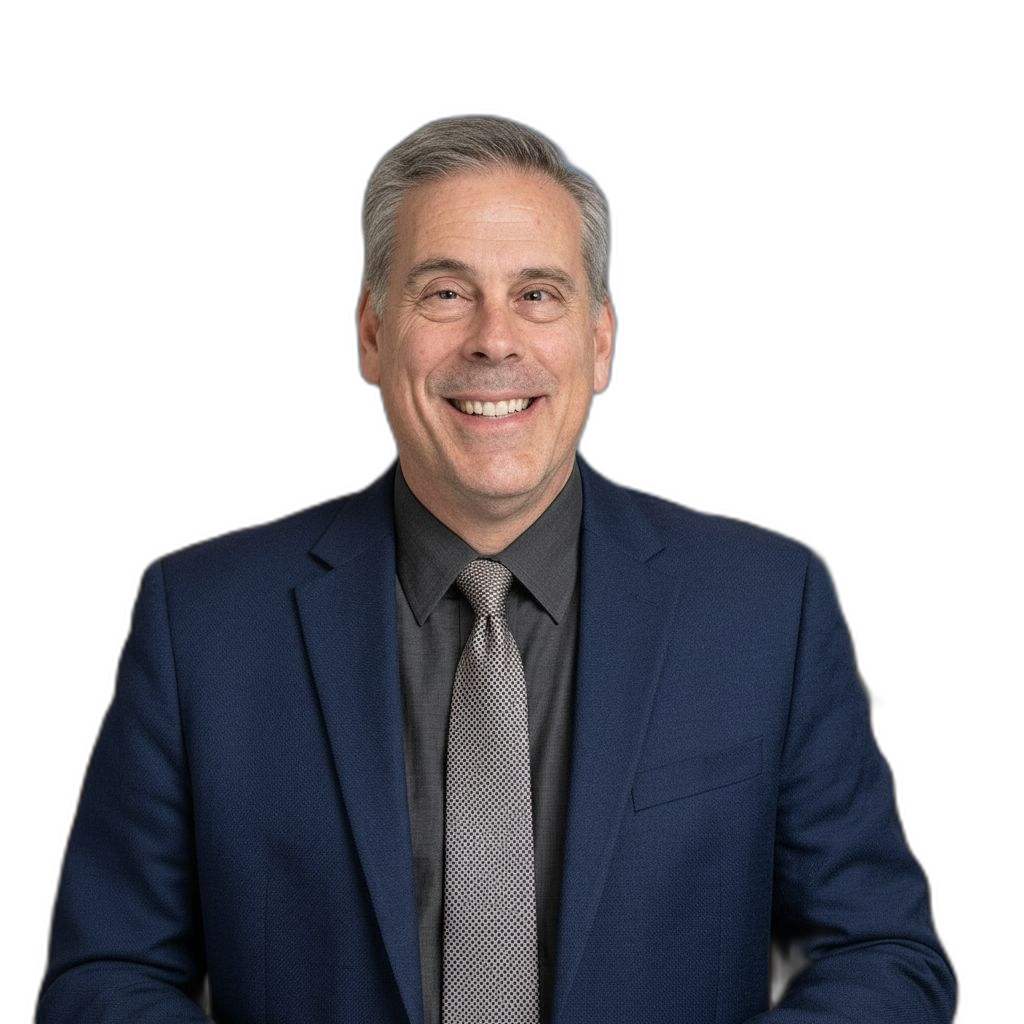
aul Myers is a real estate investor, entrepreneur, speaker, author, and Co-Founder of Road Warrior Investors. With a background in geology, engineering consulting, construction materials testing, estimating, and business development, Paul has spent his career solving complex problems, building systems, and creating long-term value. Over the past two decades, he has participated in hundreds of residential real estate transactions across multiple states, helping homeowners navigate inherited properties, distressed homes, title challenges, and major life transitions.
Looking back, the biggest turning point wasn't leaving my job. It was realizing that I had more control over my future than I ever thought possible.
Paul Myers
Co-Founder
Road Warrior Investors
01
What was the biggest turning point in your career?
The biggest turning point in my career came when I realized I had reached the ceiling of where I was working and started to understand that I had more control over my future than I had ever believed.
I spent years building a successful career in engineering consulting, working my way up from construction materials testing into estimating, business development, and leadership roles. I enjoyed the work, learned a tremendous amount, and worked alongside some great people. Over time, however, I began to feel like I had reached the highest level available to me within the company. I had expressed interest in becoming part of the ownership group and taking on a larger leadership role, but those opportunities never materialized.
At the same time, something else was happening.
My wife Tanice and I had started investing in real estate on the side. What began as a few investment properties slowly turned into something much bigger. We were buying houses, managing renovations, building systems, and creating income outside of a traditional paycheck. For the first time in my life, I began to realize there were multiple ways to create financial security and opportunity.
That realization changed everything.
Like many people, I grew up believing the safest path was to get a good job, work hard, collect a paycheck, and build a career within a company. Real estate showed me that there was another path. The more experience I gained, the more I realized I didn't have to rely on a single employer to create a future for my family.
There wasn't one dramatic moment when I walked into work and quit. Instead, it was a gradual shift in mindset. I found myself becoming more excited about the business we were building than the job I was leaving behind. The opportunities ahead of me were greater than the opportunities available where I was.
Eventually, the decision became obvious.
Once I understood that I could create value, solve problems, and generate income on my own, it no longer made sense to keep limiting myself to someone else's vision. Leaving the engineering world was a leap of faith, but it was also one of the best decisions I've ever made.
Looking back, the biggest turning point wasn't leaving my job. It was realizing that I had more control over my future than I ever thought possible.
At the same time, something else was happening.
My wife Tanice and I had started investing in real estate on the side. What began as a few investment properties slowly turned into something much bigger. We were buying houses, managing renovations, building systems, and creating income outside of a traditional paycheck. For the first time in my life, I began to realize there were multiple ways to create financial security and opportunity.
That realization changed everything.
Like many people, I grew up believing the safest path was to get a good job, work hard, collect a paycheck, and build a career within a company. Real estate showed me that there was another path. The more experience I gained, the more I realized I didn't have to rely on a single employer to create a future for my family.
There wasn't one dramatic moment when I walked into work and quit. Instead, it was a gradual shift in mindset. I found myself becoming more excited about the business we were building than the job I was leaving behind. The opportunities ahead of me were greater than the opportunities available where I was.
Eventually, the decision became obvious.
Once I understood that I could create value, solve problems, and generate income on my own, it no longer made sense to keep limiting myself to someone else's vision. Leaving the engineering world was a leap of faith, but it was also one of the best decisions I've ever made.
Looking back, the biggest turning point wasn't leaving my job. It was realizing that I had more control over my future than I ever thought possible.
02
What separates great leaders from average ones?
Great leaders do three things exceptionally well: they take responsibility, they remain steady under pressure, and they lead by example.
Anyone can lead when things are going well. The true test of leadership happens when problems arise, deadlines are missed, money is on the line, or uncertainty enters the picture. That's when people look to leadership for direction. Great leaders don't panic. They don't look for someone else to blame. They focus on finding solutions and helping the team move forward.
One of the biggest differences I've noticed between great leaders and average leaders is accountability. Great leaders take ownership of outcomes, whether things go right or wrong. They don't spend their time making excuses. They spend their time figuring out what needs to happen next.
I've also found that great leaders are willing to do the work themselves. They don't ask people to do things they wouldn't do. Throughout my career, whether it was working construction sites, testing concrete, managing projects, renovating houses, or running a business, I've always believed that leadership starts with example. People pay attention to actions far more than words.
Another quality that separates great leaders is their ability to focus on the bigger picture. It's easy to get caught up in daily challenges, setbacks, and frustrations. Great leaders have the ability to step back, evaluate the situation objectively, and make decisions based on long-term goals rather than short-term emotions.
Most importantly, great leaders genuinely care about the people around them. They understand that businesses are built by people, not systems. When people feel valued, supported, and trusted, they perform at a much higher level.
At the end of the day, leadership isn't about having a title. It's about creating trust. When people know you'll do what you say, remain steady during difficult times, and work alongside them to solve problems, they naturally want to follow your lead.
That's the kind of leader I've always tried to become.
One of the biggest differences I've noticed between great leaders and average leaders is accountability. Great leaders take ownership of outcomes, whether things go right or wrong. They don't spend their time making excuses. They spend their time figuring out what needs to happen next.
I've also found that great leaders are willing to do the work themselves. They don't ask people to do things they wouldn't do. Throughout my career, whether it was working construction sites, testing concrete, managing projects, renovating houses, or running a business, I've always believed that leadership starts with example. People pay attention to actions far more than words.
Another quality that separates great leaders is their ability to focus on the bigger picture. It's easy to get caught up in daily challenges, setbacks, and frustrations. Great leaders have the ability to step back, evaluate the situation objectively, and make decisions based on long-term goals rather than short-term emotions.
Most importantly, great leaders genuinely care about the people around them. They understand that businesses are built by people, not systems. When people feel valued, supported, and trusted, they perform at a much higher level.
At the end of the day, leadership isn't about having a title. It's about creating trust. When people know you'll do what you say, remain steady during difficult times, and work alongside them to solve problems, they naturally want to follow your lead.
That's the kind of leader I've always tried to become.
03
What mistake taught you the most?
Allowing past experiences to have too much influence over future opportunities.
Like most entrepreneurs, I've made my share of mistakes over the years. I've entered partnerships that weren't the right fit, trusted people I probably shouldn't have, and pursued opportunities that looked better on paper than they did in reality. At the time, those experiences felt frustrating, expensive, and sometimes even discouraging.
What I didn't realize was that the real danger wasn't the mistake itself—it was allowing that mistake to shape how I viewed every opportunity that came afterward.
When a partnership doesn't work out, it's easy to become overly cautious about future partnerships. When a deal loses money, it's easy to become hesitant about taking risks. When something goes sideways, the natural tendency is to focus on avoiding that pain again.
Over time, I learned that every opportunity deserves to be evaluated on its own merits. Just because one project failed doesn't mean the next one will. Just because one partnership wasn't successful doesn't mean all partnerships are bad. If you're not careful, you can become so focused on protecting yourself from past mistakes that you miss future opportunities.
I've also learned that it's easy to get lost in the weeds of business. Entrepreneurs spend a lot of time solving problems, managing details, and trying to avoid mistakes. While those things are important, they can sometimes distract you from the bigger picture. Some of the best opportunities I've had came when I stepped back, looked beyond the immediate challenges, and focused on long-term outcomes rather than short-term frustrations.
Another lesson I've carried with me is the importance of doing things the right way. Whether it's a business relationship, a renovation project, or a commitment made to a customer, cutting corners rarely creates good long-term results. It may save time or money in the moment, but it often creates larger problems later.
If I had to summarize the lesson, it would be this: learn from your mistakes, but don't allow them to define your future decisions. The goal isn't to avoid every failure. The goal is to take what you've learned, apply it wisely, and continue moving forward.
Some of the greatest opportunities in my life came after experiences that could have convinced me to stop trying altogether. Fortunately, I didn't.
What I didn't realize was that the real danger wasn't the mistake itself—it was allowing that mistake to shape how I viewed every opportunity that came afterward.
When a partnership doesn't work out, it's easy to become overly cautious about future partnerships. When a deal loses money, it's easy to become hesitant about taking risks. When something goes sideways, the natural tendency is to focus on avoiding that pain again.
Over time, I learned that every opportunity deserves to be evaluated on its own merits. Just because one project failed doesn't mean the next one will. Just because one partnership wasn't successful doesn't mean all partnerships are bad. If you're not careful, you can become so focused on protecting yourself from past mistakes that you miss future opportunities.
I've also learned that it's easy to get lost in the weeds of business. Entrepreneurs spend a lot of time solving problems, managing details, and trying to avoid mistakes. While those things are important, they can sometimes distract you from the bigger picture. Some of the best opportunities I've had came when I stepped back, looked beyond the immediate challenges, and focused on long-term outcomes rather than short-term frustrations.
Another lesson I've carried with me is the importance of doing things the right way. Whether it's a business relationship, a renovation project, or a commitment made to a customer, cutting corners rarely creates good long-term results. It may save time or money in the moment, but it often creates larger problems later.
If I had to summarize the lesson, it would be this: learn from your mistakes, but don't allow them to define your future decisions. The goal isn't to avoid every failure. The goal is to take what you've learned, apply it wisely, and continue moving forward.
Some of the greatest opportunities in my life came after experiences that could have convinced me to stop trying altogether. Fortunately, I didn't.
04
How do you define success?
Today, success means having the freedom to enjoy the opportunities we've created.
My definition of success has changed significantly over the years.
Earlier in my career, success was largely measured by achievement. It was about building something from nothing, acquiring properties, growing income, creating financial stability, and proving to myself that real estate investing could work. Like many entrepreneurs, I was focused on growth, momentum, and creating opportunities for my family.
As I've gotten older, my perspective has shifted.
Today, success is less about what I own and more about the freedom those assets create. Success means having options. It means having the ability to choose how I spend my time, who I spend it with, and what projects I want to pursue. It means having the flexibility to travel, enjoy life, and focus on the things that matter most rather than constantly chasing the next deal.
One of the things I'm most grateful for is that we've built a business and portfolio that allows us to think differently about the future. Through years of investing, we've been able to acquire assets, eliminate debt, and create income streams that continue working whether we're actively working every day or not. That wasn't something I fully appreciated when I was younger, but it's something I value tremendously today.
Success also means building something that creates opportunities for others. Through our business, we've helped homeowners navigate difficult situations, supported contractors and local businesses, improved neighborhoods, and created housing opportunities for future families. Knowing that our work has positively impacted other people is just as rewarding as any financial outcome.
I don't see myself ever fully retiring in the traditional sense. I enjoy solving problems, working on projects, and helping people too much to simply stop. But I do look forward to a future where I can be more selective, focus on the projects I enjoy most, and spend more time enjoying the life we've spent years building.
Looking back, success used to mean creating opportunity. Today, success means having the freedom to enjoy the opportunities we've created.
Earlier in my career, success was largely measured by achievement. It was about building something from nothing, acquiring properties, growing income, creating financial stability, and proving to myself that real estate investing could work. Like many entrepreneurs, I was focused on growth, momentum, and creating opportunities for my family.
As I've gotten older, my perspective has shifted.
Today, success is less about what I own and more about the freedom those assets create. Success means having options. It means having the ability to choose how I spend my time, who I spend it with, and what projects I want to pursue. It means having the flexibility to travel, enjoy life, and focus on the things that matter most rather than constantly chasing the next deal.
One of the things I'm most grateful for is that we've built a business and portfolio that allows us to think differently about the future. Through years of investing, we've been able to acquire assets, eliminate debt, and create income streams that continue working whether we're actively working every day or not. That wasn't something I fully appreciated when I was younger, but it's something I value tremendously today.
Success also means building something that creates opportunities for others. Through our business, we've helped homeowners navigate difficult situations, supported contractors and local businesses, improved neighborhoods, and created housing opportunities for future families. Knowing that our work has positively impacted other people is just as rewarding as any financial outcome.
I don't see myself ever fully retiring in the traditional sense. I enjoy solving problems, working on projects, and helping people too much to simply stop. But I do look forward to a future where I can be more selective, focus on the projects I enjoy most, and spend more time enjoying the life we've spent years building.
Looking back, success used to mean creating opportunity. Today, success means having the freedom to enjoy the opportunities we've created.
05
What advice would you give your younger self?
If I could sit down with my younger self, I'd tell him to trust himself sooner and stop underestimating what's possible.
Like many people, I spent years following the traditional path. Work hard, build a career, collect a paycheck, save money, and hopefully retire comfortably someday. There's nothing wrong with that approach, but I wish I had understood earlier that there are multiple ways to build a successful life and create financial freedom.
I would encourage my younger self to take more calculated risks and to lean into real estate investing sooner. Not because real estate is easy—it isn't—but because I underestimated the long-term impact of owning assets, creating passive income, and building wealth through real estate. Looking back, I would have bought more rental properties earlier and spent less time worrying about whether I was making the perfect decision.
One thing experience has taught me is that progress often feels slower than it actually is. When you're in the middle of building something, it's easy to become frustrated because you don't see the results immediately. What I didn't fully appreciate at the time was the power of consistency. Small decisions, repeated over many years, create extraordinary outcomes.
I would also remind myself that there is rarely a perfect time to start. Most opportunities come with uncertainty, and waiting until you have all the answers usually means waiting too long. The goal isn't to eliminate risk. The goal is to understand it, manage it, and move forward anyway.
Perhaps most importantly, I would tell my younger self to focus on building assets instead of simply earning income. Income can create opportunities, but assets create freedom. That lesson changed my life.
If I had to summarize it in one sentence, it would be this: trust the process, trust your instincts, and start sooner. The opportunities you're hoping for are probably closer than you think.
I would encourage my younger self to take more calculated risks and to lean into real estate investing sooner. Not because real estate is easy—it isn't—but because I underestimated the long-term impact of owning assets, creating passive income, and building wealth through real estate. Looking back, I would have bought more rental properties earlier and spent less time worrying about whether I was making the perfect decision.
One thing experience has taught me is that progress often feels slower than it actually is. When you're in the middle of building something, it's easy to become frustrated because you don't see the results immediately. What I didn't fully appreciate at the time was the power of consistency. Small decisions, repeated over many years, create extraordinary outcomes.
I would also remind myself that there is rarely a perfect time to start. Most opportunities come with uncertainty, and waiting until you have all the answers usually means waiting too long. The goal isn't to eliminate risk. The goal is to understand it, manage it, and move forward anyway.
Perhaps most importantly, I would tell my younger self to focus on building assets instead of simply earning income. Income can create opportunities, but assets create freedom. That lesson changed my life.
If I had to summarize it in one sentence, it would be this: trust the process, trust your instincts, and start sooner. The opportunities you're hoping for are probably closer than you think.
06
What motivates you to keep growing?
At the end of the day, what keeps me growing is simple: curiosity, challenge, and the desire to leave things better than I found them.
For me, growth has never been solely about making more money. While financial success is important, I've reached a point in life where I'm motivated by something deeper.
I've always enjoyed building things.
Sometimes that means renovating a house. Sometimes it means building a business, improving a system, solving a difficult problem, or helping someone find a solution they couldn't see on their own. I enjoy taking something that isn't working and figuring out how to make it better. That's been a common thread throughout my career, whether I was working in engineering, construction, or real estate.
What motivates me today is the belief that there's always another level to reach. There's always something new to learn, another challenge to solve, another skill to develop, or another opportunity to create value. I don't think that mindset ever goes away. In many ways, it's simply how I'm wired.
I'm also motivated by the people around me. Working alongside my wife, seeing the impact our business has on homeowners, watching projects come together, and helping others achieve their goals gives purpose to the work we do. It's rewarding to know that our efforts create opportunities not only for ourselves but for the people and communities we serve.
As I look toward the future, I'm motivated by the freedom we've worked hard to create. The goal isn't necessarily to stop working. The goal is to have more choices, more flexibility, and more control over how I spend my time. I want to continue doing meaningful work, but on my terms and in a way that allows me to enjoy the journey as much as the destination.
At the end of the day, what keeps me growing is simple: curiosity, challenge, and the desire to leave things better than I found them. Whether it's a property, a business, a relationship, or a community, there's something incredibly satisfying about making a positive impact and knowing that your work mattered.
I've always enjoyed building things.
Sometimes that means renovating a house. Sometimes it means building a business, improving a system, solving a difficult problem, or helping someone find a solution they couldn't see on their own. I enjoy taking something that isn't working and figuring out how to make it better. That's been a common thread throughout my career, whether I was working in engineering, construction, or real estate.
What motivates me today is the belief that there's always another level to reach. There's always something new to learn, another challenge to solve, another skill to develop, or another opportunity to create value. I don't think that mindset ever goes away. In many ways, it's simply how I'm wired.
I'm also motivated by the people around me. Working alongside my wife, seeing the impact our business has on homeowners, watching projects come together, and helping others achieve their goals gives purpose to the work we do. It's rewarding to know that our efforts create opportunities not only for ourselves but for the people and communities we serve.
As I look toward the future, I'm motivated by the freedom we've worked hard to create. The goal isn't necessarily to stop working. The goal is to have more choices, more flexibility, and more control over how I spend my time. I want to continue doing meaningful work, but on my terms and in a way that allows me to enjoy the journey as much as the destination.
At the end of the day, what keeps me growing is simple: curiosity, challenge, and the desire to leave things better than I found them. Whether it's a property, a business, a relationship, or a community, there's something incredibly satisfying about making a positive impact and knowing that your work mattered.
07
What are you most proud of building?
I'm proud that we've built something that creates value for more than just ourselves.
When people ask this question, they often expect the answer to be a business, a portfolio, or a financial milestone. While I'm certainly proud of the real estate company we've built and the hundreds of transactions we've completed over the years, those aren't the first things that come to mind.
What I'm most proud of is the life we've built.
My wife, Tanice, and I took a path that wasn't always the easiest or the most predictable. We left behind the comfort of traditional careers and chose to build something of our own. Along the way, we've created a business that reflects our values, allows us to work together every day, and gives us the opportunity to help people through some of the most challenging situations they may ever face.
I'm proud that we've built a business centered on solving problems and doing the right thing. Most homeowners don't call us because everything is going perfectly. They call because they're facing a challenge they aren't sure how to solve. Whether it's an inherited property, a distressed home, financial hardship, a complicated title issue, or a major life transition, we've built a company focused on helping people find a path forward.
I'm also proud of the opportunities we've created for others. Every project we take on supports contractors, tradespeople, vendors, suppliers, and local businesses. Every renovation creates work, improves a property, and helps strengthen a neighborhood. The impact of a single project often reaches far beyond the house itself.
More recently, I've become proud of the reputation and brand we've built within our communities. For years, we focused almost entirely on doing the work. Today, we're also sharing our experiences, educating others, telling stories, and becoming a trusted resource for homeowners and investors alike.
Perhaps most importantly, we've built a level of financial freedom and flexibility that allows us to think differently about the future. We own assets, have eliminated debt, and created systems that continue to work even when we're not working every hour of the day. That freedom didn't happen overnight, and it certainly wasn't easy, but it has been worth the effort.
At the end of the day, I'm proud that we've built something that creates value for more than just ourselves. We've built a business, a reputation, and a life that reflects who we are and what we believe in. For me, that's the most meaningful accomplishment of all.
What I'm most proud of is the life we've built.
My wife, Tanice, and I took a path that wasn't always the easiest or the most predictable. We left behind the comfort of traditional careers and chose to build something of our own. Along the way, we've created a business that reflects our values, allows us to work together every day, and gives us the opportunity to help people through some of the most challenging situations they may ever face.
I'm proud that we've built a business centered on solving problems and doing the right thing. Most homeowners don't call us because everything is going perfectly. They call because they're facing a challenge they aren't sure how to solve. Whether it's an inherited property, a distressed home, financial hardship, a complicated title issue, or a major life transition, we've built a company focused on helping people find a path forward.
I'm also proud of the opportunities we've created for others. Every project we take on supports contractors, tradespeople, vendors, suppliers, and local businesses. Every renovation creates work, improves a property, and helps strengthen a neighborhood. The impact of a single project often reaches far beyond the house itself.
More recently, I've become proud of the reputation and brand we've built within our communities. For years, we focused almost entirely on doing the work. Today, we're also sharing our experiences, educating others, telling stories, and becoming a trusted resource for homeowners and investors alike.
Perhaps most importantly, we've built a level of financial freedom and flexibility that allows us to think differently about the future. We own assets, have eliminated debt, and created systems that continue to work even when we're not working every hour of the day. That freedom didn't happen overnight, and it certainly wasn't easy, but it has been worth the effort.
At the end of the day, I'm proud that we've built something that creates value for more than just ourselves. We've built a business, a reputation, and a life that reflects who we are and what we believe in. For me, that's the most meaningful accomplishment of all.
Closing Perspective
Today, Paul continues to invest, mentor, build, and serve, guided by the same principles that have shaped his journey from the beginning: work hard, keep learning, solve problems, help people, and leave things better than you found them. For Paul, success is no longer measured solely by transactions or financial outcomes. It is measured by the freedom to choose how he spends his time, the relationships built along the way, and the positive impact left on the people, families, and communities he serves.
Connect with Paul