
Leadership, Integrity, and Remaining Whole Under Pressure
A
former healthcare executive, leadership thinker, author, and founder of Cohere Leadership Group, Baldwin has spent more than two decades leading inside complex organizations where incentives, ethics, trust, and performance often collide. His work centers on what he calls leadership coherence, the discipline of aligning values, decisions, and behavior even when the pressure is highest.
Drawing on leadership roles across healthcare and technology, as well as lessons explored in his forthcoming book, To Zuri: Leadership That Outlives Us, Baldwin challenges leaders to think beyond titles, accomplishments, and short-term success. Instead, he asks a deeper question: What remains when the title is gone?
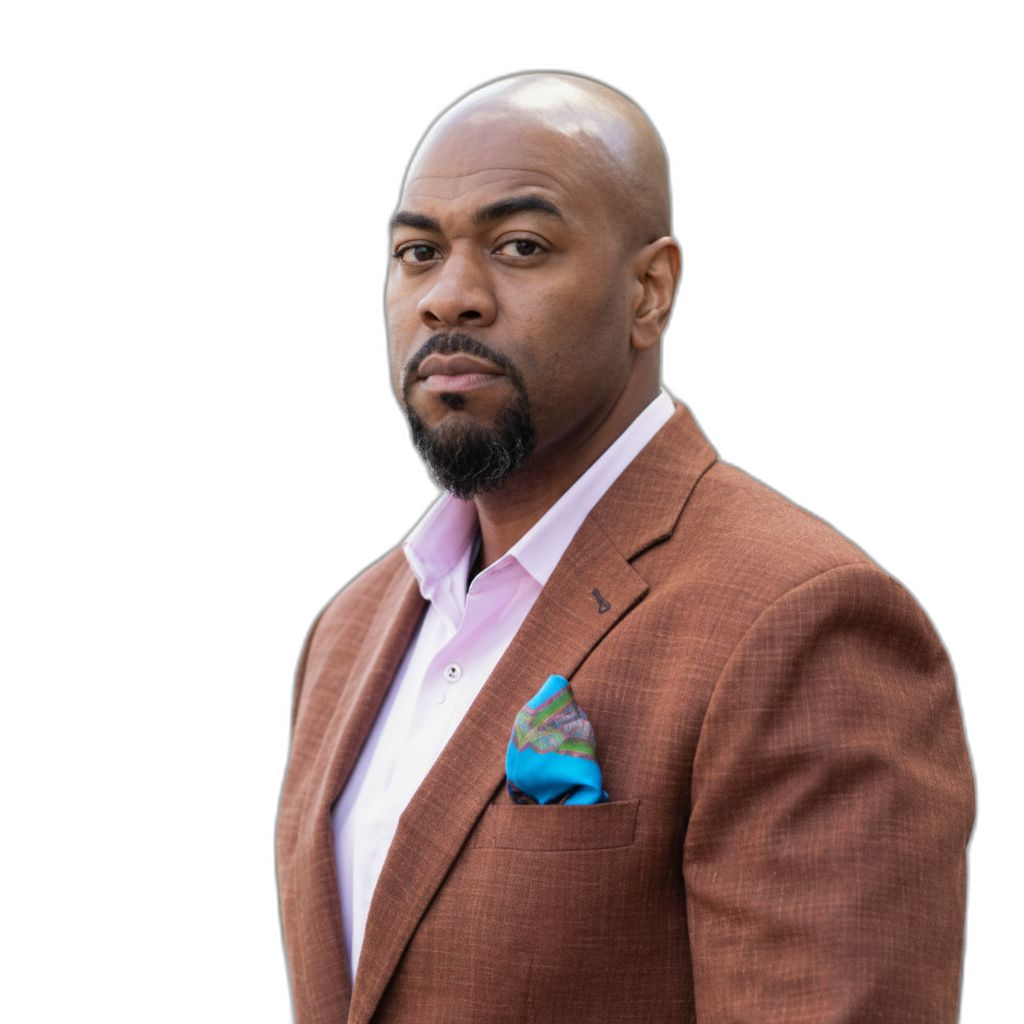
Julian Baldwin
Founder and CEO
Cohere Leadership Group
01
You've built your work around the concept of leadership coherence. What does that mean?
At its core, coherence means one life, one standard.
A leader shouldn't become one person in public, another in private, and a third under pressure. Many leadership failures begin when people start adjusting their values depending on the audience, incentive, or situation in front of them.
That fragmentation may help someone survive a moment, but over time it erodes trust, weakens judgment, and damages the people and systems around them.
That fragmentation may help someone survive a moment, but over time it erodes trust, weakens judgment, and damages the people and systems around them.
02
What led you to focus on this idea?
After years in executive leadership, I began noticing a pattern.
Many successful people had impressive titles, compensation, and influence, yet there was often a growing gap between who they appeared to be and who they believed themselves to be. I realized achievement can sometimes hide fragmentation.
That insight changed how I thought about leadership. I stopped viewing leadership as a performance of strength and started viewing it as the discipline of remaining whole under pressure.
That insight changed how I thought about leadership. I stopped viewing leadership as a performance of strength and started viewing it as the discipline of remaining whole under pressure.
03
What has been the biggest turning point in your career?
The biggest turning point was realizing that success and alignment are not the same thing.
You can have access to important rooms, a strong reputation, and meaningful accomplishments while slowly becoming less recognizable to yourself. Once I understood that, I began evaluating leadership differently.
04
What is the most important lesson you've learned about leadership?
The calm room tells you nothing.
Leadership reveals itself when the cost becomes real. Anyone can talk about values when there is no risk attached. The true test is whether those values survive when there is pressure, uncertainty, or something meaningful to lose.
05
How would you describe your leadership philosophy?
Leadership is not confined to a title.
It's what we model, what we normalize, and ultimately what we pass down. People pay far more attention to what leaders reward, tolerate, protect, and excuse than they do to what leaders say.
Over time, those behaviors become culture.
Over time, those behaviors become culture.
06
What separates great leaders from average ones?
Average leaders adapt their standards to the room. Great leaders carry a consistent standard into every room.
The best leaders can change their language, strategy, or approach without changing who they are. That's the difference between adaptability and compromise.
07
You've spent decades leading in healthcare and technology. What have those experiences taught you about trust?
Trust isn't built through statements or intentions.
Trust is built through repeated alignment between words, decisions, incentives, and behavior. People are constantly watching for consistency.
When those things align, trust grows. When they don't, people notice very quickly.
When those things align, trust grows. When they don't, people notice very quickly.
08
How do you define success?
Success is being able to look at what you built, how you built it, and who you became in the process without needing to edit the story.
For me, success is ultimately about what you model, what you pass down, and what remains after the title is gone.
09
You're paying close attention to artificial intelligence. How do you think AI will affect leadership?
AI will make human judgment more valuable, not less.
Technology can accelerate work, compress decision cycles, and automate measurable tasks. But as information becomes easier to generate, trust becomes more important.
The leaders who thrive over the next decade will be the ones who can embrace technology without outsourcing discernment.
The leaders who thrive over the next decade will be the ones who can embrace technology without outsourcing discernment.
10
What advice would you give your younger self?
Don't confuse access with alignment.
Getting into the room is not the same as belonging to yourself once you're there. Some rooms will ask for your talent. Others will quietly ask for your silence.
Learning the difference early would have saved me a lot of time.
Learning the difference early would have saved me a lot of time.
11
What are you most proud of building?
More than anything, I'm proud of building something my daughter can one day use to understand who I was, what I believed, and how I tried to live.
That's a big part of why I wrote To Zuri. I wanted to create something that could outlast a title or a role and carry forward the values that matter most.
12
What's next for you?
Right now, I'm focused on expanding the conversation around leadership coherence through Cohere Leadership Group and my upcoming book, To Zuri: Leadership That Outlives Us.
My hope is to help leaders think differently about success, identity, integrity, and what it means to build something worth passing on.
Closing Perspective
Julian Blair Baldwin's perspective on leadership is both simple and challenging. In a world that often rewards performance, visibility, and constant adaptation, he argues that the most important leadership skill may be consistency.
His concept of leadership coherence is ultimately about alignment: aligning values with decisions, words with actions, and success with purpose. Whether leading organizations, raising families, or shaping culture, Baldwin believes leadership is measured not only by what we achieve, but by what survives us.
It's a philosophy that asks leaders to think beyond the next quarter, the next promotion, or the next opportunity and consider a much larger question: what are we passing forward?