The Leadership the World Measures—and the Leadership God Calls Us To
Explore a transformative perspective on leadership that transcends worldly measures. Discover how stewardship, compassion, and fai…
Read the article
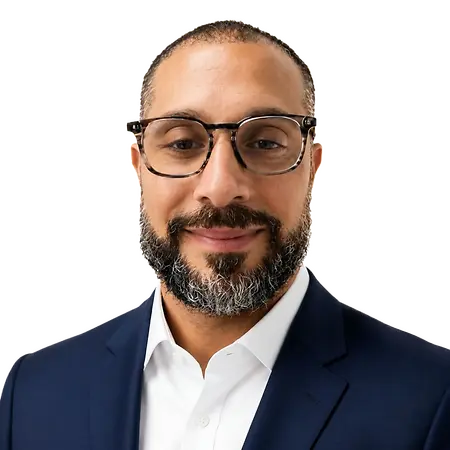
FOUNDER TO THE PROFILE
Junior High Youth Ministry, Our Lady of Mount Carmel Parish
“I would attribute any success or accomplishments in my life to God first. My faith reminds me that while we each have a responsibility to work hard, make good decisions, and develop our gifts, we do not get to where we are on our own.I am grateful for my family and parents, my community, the schools where I have worked and those I attended as a student, and the many people who have invested in me throughout my life. From the coaches who guided me as a young athlete in middle school and high school to the influential teachers who shaped my learning experiences and the professors who challenged me to grow, each person has contributed something meaningful to my journey.I believe it takes a community to become the best version of yourself. We need people who encourage us, challenge us, offer wisdom, and sometimes help us see potential in ourselves that we may not yet recognize. Their influence reminds me that success is not simply about individual accomplishments; it is also about recognizing the people who helped shape us along the way.Ultimately, I am not self-made. I see myself as someone who has been blessed with opportunities, guided by faith, and supported by a community of people who have helped me grow. My responsibility is to honor those investments by continuing to learn, serving others, and using the gifts God has given me to make a positive difference in the lives of others. For me, success is not just about what I achieve, but also about who I become and how I can help others reach their potential.”
Nicholas Fallivene is a youth ministry professional, author, educator, and community volunteer whose work is grounded in faith, service, and the belief that meaningful success begins with character. He currently serves the junior high youth ministry at Our Lady of Mount Carmel in Ridgewood, New Jersey, where he has spent a little over a year helping young people grow in faith and navigate the challenges of adolescence. His return to a church setting builds upon four years of professional ministry experience, including previous service at Saint Cassian Roman Catholic Church, and several years working in a Catholic school environment.
Before entering professional ministry, Nicholas spent approximately ten years as a special education teacher in inclusive settings within charter schools. His work in education centered on supporting students with diverse learning needs and helping them reach their potential. He also gained experience in human resources, developing a broader understanding of people, professional relationships, and organizational responsibility. Although his career initially began with an interest in business, his path ultimately led him to pursue a master's degree in general and special education from Touro University in New York. These varied experiences have shaped his people-centered approach to leadership, emphasizing patience, empathy, accountability, and the importance of meeting individuals where they are.
Beyond his professional work, Nicholas is a fourth-degree member of the Knights of Columbus and volunteers with Special Olympics New Jersey, including service at its summer games. He is also the author of two books, Keep It 100 with God and Heart Before Applause. Drawing in part from his experience coaching middle school basketball, Heart Before Applause reflects his belief that character, effort, and the way we treat others matter more than recognition alone. Across education, athletics, ministry, and community service, Nicholas seeks to encourage others to develop a strong foundation of values and understand that personal growth is about more than achievement.
A central principle guiding Nicholas's life is that who we are and what we do are two different things. Professional titles, accomplishments, and public recognition may describe what a person does, but character is revealed through everyday choices, especially when the path forward is uncertain. He believes that success is not measured solely by outcomes or applause, but also by the person we become throughout the process and the positive difference we make in the lives of others.
Nicholas credits God first for the opportunities and growth in his life, while also recognizing the essential role of family, community, schools, coaches, teachers, and professors. He believes that reaching our potential is rarely a solitary achievement; it takes a community of people who encourage us, challenge us, guide us, and help us recognize possibilities we may not see on our own. This understanding of community informs his commitment to service and his desire to help young people recognize both their individual worth and their responsibility to others.
Prayer and a personal relationship with the Lord are at the center of Nicholas's approach to life and career. Guided by Proverbs 16:9, “The human heart plans the way, but the Lord directs the steps” — he believes that responsible leadership requires thoughtful planning while remaining open to God's direction. When difficult decisions arise and outcomes are uncertain, he emphasizes prayer, discernment, personal responsibility, and the willingness to seek wise counsel. For Nicholas, faith does not eliminate the challenges of decision-making; rather, it provides a foundation from which to approach those challenges with greater clarity, courage, and humility.
His philosophy of stewardship extends beyond professional responsibilities to include the gifts, relationships, and opportunities entrusted to each person. He believes that when people lead with love, integrity, and a willingness to serve, they are better equipped to make difficult choices, remain grounded in their values, and navigate life's unexpected turns.
Ultimately, Nicholas strives to live and work with the understanding that lasting success is not simply about what we accomplish, but about how faithfully we use our gifts, how we treat others along the way, and the legacy of service we leave behind.
IN HIS OWN WORDS
I would attribute any success or accomplishments in my life to God first. My faith reminds me that while we each have a responsibility to work hard, make good decisions, and develop our gifts, we do not get to where we are on our own.
I am grateful for my family and parents, my community, the schools where I have worked and those I attended as a student, and the many people who have invested in me throughout my life. From the coaches who guided me as a young athlete in middle school and high school to the influential teachers who shaped my learning experiences and the professors who challenged me to grow, each person has contributed something meaningful to my journey.
I believe it takes a community to become the best version of yourself. We need people who encourage us, challenge us, offer wisdom, and sometimes help us see potential in ourselves that we may not yet recognize. Their influence reminds me that success is not simply about individual accomplishments; it is also about recognizing the people who helped shape us along the way.
Ultimately, I am not self-made. I see myself as someone who has been blessed with opportunities, guided by faith, and supported by a community of people who have helped me grow. My responsibility is to honor those investments by continuing to learn, serving others, and using the gifts God has given me to make a positive difference in the lives of others. For me, success is not just about what I achieve, but also about who I become and how I can help others reach their potential.
The best career advice I have received is rooted in my faith: be responsible with what you have been given, remain open to God's direction, and use your gifts to serve others.
Much of the way I approach my career and life is centered on prayer and my personal relationship with the Lord. One scripture I often reflect on is Proverbs 16:9, “The human heart plans the way, but the Lord directs the steps.” I believe it is important to set goals, work diligently, and take responsibility for our decisions while recognizing that we cannot always predict how things will unfold.
Two words that guide my approach are responsibility and stewardship. If the Lord is the Creator and we are the created, then the gifts, talents, relationships, and opportunities we have been given are not simply for our own benefit. We have a responsibility to develop those gifts and use them to make a positive difference in the lives of others.
Throughout my career in education and ministry, I have learned that success is not just about what we accomplish or the recognition we receive. It is also about who we become in the process, how we treat people, and whether we use our opportunities to help others grow. I believe we are shaped by the communities, families, teachers, coaches, and mentors who invest in us, and we have an opportunity to extend that same investment to others.
Ultimately, my approach is to plan responsibly, pray for discernment, seek wise counsel, and remain humble enough to let God redirect me when necessary. We may not always know where the road will lead, but we can be faithful with the next step. For me, the goal is not simply to build a successful career, but to be a good steward of what God has entrusted to me and leave a positive impact on the people I encounter along the way.
My advice to working professionals entering youth ministry is to build a strong spiritual foundation, remain humble, and recognize that meaningful ministry is a community effort. Your personal relationship with the Lord and your prayer life must remain a priority. The demands of professional ministry can be significant, and prayer helps keep you grounded in the mission rather than becoming consumed by the responsibilities, expectations, or outcomes of the work.
I would also emphasize the importance of humility and accountability in leadership. You do not need to have every answer, and you should never feel that you have to accomplish everything on your own. Effective ministry requires collaboration, trust, and a willingness to learn from the people around you. Seek wise counsel, invest in relationships, and recognize the gifts that others bring to the mission.
In my own experience serving in junior high youth ministry, our program serves more than 230 students. That work is made possible by the Holy Spirit working through a community of dedicated adult volunteers, high school team leaders, engaged families, pastors, and deacons. Together, we help young people grow in faith through the Word, worship, community building, and service. This has reinforced my belief that ministry is not about individual accomplishments; it takes a community working together to make a lasting impact.
Finally, approach your career as an act of stewardship. The talents, opportunities, relationships, and responsibilities entrusted to us are not simply for our own advancement. We have an opportunity to use them to serve others and help people recognize their God-given potential. There will be challenges, difficult decisions, and times when you may not immediately see the fruits of your labor. Stay faithful to the mission, remain open to God's direction, and measure success not only by what you accomplish, but by how you serve and the people you help along the way.
Ultimately, my advice is to lead with faith, work with humility, remain accountable, and invest in your community. You are not expected to do this work alone. Your responsibility is to serve faithfully, help others flourish, and trust God with the results.
I believe the opportunities in youth ministry are limitless when we remain open to the guidance of the Holy Spirit. I approach my work through prayer, whether I am preparing for a class, beginning a new day, or leading a retreat. I pray that the Spirit will guide our decisions, open our hearts, and help us create an environment where young people feel welcomed, supported, and encouraged to grow in their faith. Every student brings a unique story and set of experiences, and each encounter presents an opportunity to build relationships, strengthen community, and help young people develop a deeper relationship with the Lord.
One of the biggest challenges, however, is recruiting and retaining volunteers to support the program. Youth ministry is not something one person can accomplish alone. It takes a community of dedicated individuals who are willing to share their time, talents, and faith. I continually look for opportunities to engage adults, parents, families, and high school students in the mission, helping them recognize that they have something valuable to contribute.
I have also learned that open communication and a willingness to understand different perspectives are essential to building a successful ministry. People have different schedules, responsibilities, experiences, and comfort levels when it comes to volunteering. My goal is to foster an environment where people feel heard, valued, and connected to the mission rather than simply asked to fill a role.
Ultimately, I see both the opportunities and the challenges as invitations to grow. Recruiting volunteers can be difficult, but it also creates opportunities to build relationships, develop future leaders, and strengthen the parish community. I believe that when we lead with prayer, remain flexible, communicate openly, and work together in service, we create more opportunities for the Holy Spirit to work through us. The goal is not simply to run a successful program, but to build a faith-filled community where young people and those who serve them can grow together.
The values most important to me in both my work and personal life are faith, love, integrity, humility, inclusion, responsibility, and stewardship. My personal relationship with the Lord is the foundation upon which I try to build everything else. I believe that when we keep God at the center of our lives, we are better equipped to navigate challenges, make difficult decisions, and treat others with compassion and understanding.
A scripture I often reflect on is Matthew 7:24, where Jesus teaches that the wise man builds his house on rock. This reminds me that a strong foundation is essential, not only in the homes we build, but also in our faith, our relationships, and the way we live our lives. I believe that foundation must be rooted in Christ and strengthened through prayer, integrity, humility, and a willingness to put His teachings into practice. Life will inevitably bring challenges and uncertainty, but when we build our lives on the solid foundation of faith, we are better prepared to weather those storms. For me, it is not enough to simply hear God’s Word; we must live it through our choices, how we treat others, and the way we serve our communities.
Inclusion is another value that is especially important to me. I believe the Church is most beautiful when its doors are open wide. Everyone deserves to be welcomed with dignity, treated with respect, and given the opportunity to feel that they belong. This belief guides my ministry, my personal relationships, and the way I interact with others. I want people to know that they are seen, valued, and welcome in the community. To me, inclusion is not simply about opening the door; it is about helping people feel that there is a place for them once they walk through it.
I also believe that dialogue is essential to understanding one another. We do not have to share the same experiences or perspectives to treat one another with kindness and respect. Sometimes, we need to slow down, listen more carefully, ask thoughtful questions, and be willing to learn from someone whose experiences differ from our own. Meaningful dialogue allows us to move beyond assumptions, build relationships, and recognize our shared humanity. I believe that listening with humility is an important part of loving our neighbors.
Community is equally important to me. I believe none of us is self-made, and we should never take for granted the family members, teachers, coaches, mentors, colleagues, and friends who help shape who we become. In my work in youth ministry, I see how much can be accomplished when people come together with a shared purpose. My responsibility is not simply to lead, but to listen, encourage others, remain accountable, and help create an environment where people can grow.
Another value that guides me is stewardship. I believe the gifts, talents, relationships, and opportunities we receive are entrusted to us for a purpose. We have a responsibility to develop those gifts and use them to serve others. Whether I am working with young people, collaborating with volunteers, or engaging with my community, I try to approach those opportunities with gratitude and a willingness to make a positive difference.
Ultimately, I believe who we are and what we do are two different things. Our accomplishments may tell people what we have achieved, but our character is revealed through how we treat others, the choices we make when things are difficult, and whether we remain faithful to our values when no one is watching. For me, success is not simply about recognition or applause. It is about becoming the person God calls me to be, serving others with love and integrity, welcoming people with an open heart, and helping build communities where everyone has the opportunity to belong and flourish.

PERSPECTIVES
Original insights, ideas, and viewpoints shaped by real-world experience.
View All ArticlesLEARN MORE
Notable Men brings together influential voices across industries to share insights, experiences, and perspectives that matter.
Learn More