

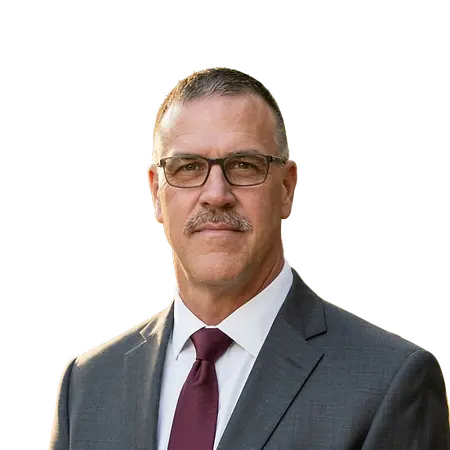
FOUNDER TO THE PROFILE
Benham Rex Hansen
General Superintendent, Heartland Construction
“A great leader does not back down when challenges or obstacles arise in life or in the construction profession. Every setback is an opportunity to think differently, adapt, find solutions, and move forward with determination. "I am not defined by the size, complexity, or veracity of the challenges or obstacles which are presented in my professional career or in life. Rather, I am defined on how I overcome each and every one." Benham Hansen”
About
Benham Hansen is an experienced General Superintendent who works for a Bellevue Washington based Owner/Developer/General Contractor. Ben and his family live in a small Scandinavian Farming community north of the Seattle Washington area in Stanwood, Washington. Ben brings over 30 years of experience in the construction industry. He began his career as a journeyman carpenter with the Carpenters Union local 2205 in Wenatchee, Washington and progressed into construction leadership, specializing in complex commercial, multifamily, and mixed-use developments. His expertise includes project scheduling, budgeting, quality control, safety management, cost reduction, and coordinating construction teams to deliver projects efficiently and to high standards. He holds a high school diploma from Stanwood High School and served several years in the U.S. Navy before entering the construction industry full time. Throughout his career, Hansen has overseen demanding construction projects, including high-rise residential towers, mixed-use developments, and government facilities. His professional experience includes leadership positions with Heartland Construction, Jabez Construction, Doyon, Onni, JTM Construction, Ryan Companies US, The Rush Companies, TWC, Lease Crutcher Lewis, and Martin Harris Construction.
Among his many notable achievements is his involvement in the construction of the Special Operations Forces Aviation Battalion Education Center at Joint Base Lewis-McChord, which received recognition for masonry excellence and safety from the U.S. Army Corps of Engineers' Seattle District. His Air Barrier expertise was also featured in STO National Magazine. Hansen is known for his methodical approach to construction management, strong scheduling capabilities, and ability to coordinate contractors, trade partners, and project stakeholders to achieve project objectives without compromising quality or safety. As a General Contractor, Hansen emphasizes thorough planning, effective communication, and strong leadership as essential elements of successful project delivery. He is committed to mentoring construction professionals, developing capable field teams, and fostering collaborative working relationships. He attributes his success primarily to his faith in God and considers humility a fundamental principle of personal and professional growth. His core professional values include excellence, leadership, respect, integrity, honesty, and teamwork. He encourages young professionals to establish ambitious goals, challenge conventional practices, and continually improve their performance while maintaining high standards in everything they do. He believes in never allowing the obstacles in life or Project related to prevent your success.
Key Areas Of Focus
- 01. Commercial projects
- 02. Construction Management
- 03. General Contracting
- 04. Multifamily Residential Construction
- 05. Mixed-Use Developments
- 06. High-Rise Building Construction
IN HIS OWN WORDS
The Q and A
-
01
What do you attribute your success to?
I attribute my success in life primarily to my faith in God. While faith is a deeply personal subject and may not always be a popular topic of conversation in today's professional environment, I believe it is important to be authentic about the principles that have shaped my life, influenced my decisions, and sustained me through both success and adversity. My faith is not simply a belief I hold; it is the foundation upon which I strive to live, lead, serve others, and understand my purpose.
I believe every breath we take is a gift, and that the opportunities, relationships, experiences, and challenges we encounter throughout our lives provide opportunities for growth, reflection, and greater understanding. When I look back on my journey, I recognize moments when circumstances could have easily discouraged me, redirected my path, or caused me to lose confidence in what lay ahead. Through those experiences, my faith has continually reminded me that my circumstances do not define my character, that setbacks do not determine my ultimate direction, and that perseverance is often required before we can fully appreciate the purpose behind a difficult season of life.
My faith has also shaped how I define success. Professional accomplishments, career advancement, financial achievements, and the ability to lead complex projects are meaningful measures of performance, but they do not tell the entire story. I believe true success is also reflected in the character we demonstrate, the commitments we honor, the families we nurture, the people we help, and the difference we make in the lives of others. Accomplishments may establish a reputation, but character determines the legacy we leave behind.
In leadership, my faith reinforces the importance of integrity, humility, accountability, compassion, forgiveness, and grace. It reminds me that leadership is a responsibility, not simply a position of authority. The opportunity to lead others carries an obligation to treat people with dignity, make decisions honestly, accept responsibility for outcomes, and recognize that every individual has value beyond their title, background, or circumstances. I believe we can establish high expectations and demand excellence while still leading with understanding, fairness, and respect.
Faith has also provided me with an anchor during life's most difficult moments. There are circumstances we cannot control, questions we cannot immediately answer, and challenges that test our patience, strength, and confidence and can shake us to our core. In those moments, faith gives me a foundation that extends beyond the immediate situation. It reminds me to remain steadfast when the path forward is uncertain, to maintain hope when circumstances are difficult, and to continue moving forward even when the outcome is not yet clear. For me, faith does not mean that adversity disappears; it means I do not have to face adversity without hope, purpose, or a foundation to stand upon.
I also recognize that people come from different backgrounds, hold different beliefs, and draw strength from different sources. I respect that reality and do not believe faith should ever be used to diminish another person's perspective or worth. My intention in sharing my beliefs is not to persuade others that they must see the world as I do, but to be honest about the foundation that guides my own life. I believe authentic leadership begins with knowing who you are, understanding what you stand for, and treating others with respect regardless of whether they share your convictions and supporting them in life’s most difficult moments.
One of the most meaningful principles I carry with me is the belief that every person has value, potential, and the opportunity to make a difference. Regardless of someone's circumstances, past mistakes, disappointments, or present challenges, I believe there is always reason to offer encouragement, extend compassion, and recognize the possibility of a better future. We may not always understand another person's struggles, but we can choose to treat them with dignity and remind them that their life matters.
That belief influences how I approach both personal relationships and professional leadership. I want to be the kind of person who encourages others when they doubt themselves, helps people recognize their capabilities, and creates opportunities for others to succeed. Whether developing an emerging superintendent, supporting a colleague through a difficult situation, or helping someone navigate a personal challenge, I believe we have a responsibility to use our experience and influence to make a positive difference.
Ultimately, I attribute my journey and the strength to continue moving forward to my faith in God. I am grateful for the opportunities I have been given, the lessons I have learned, the people who have influenced my life, and the strength to persevere when circumstances have been difficult. I do not believe success means having every answer or avoiding every hardship. I believe it means remaining grounded in what matters most, learning from every experience, treating others well, and continuing to move forward with faith and purpose.
Whether or not someone shares my faith, I believe every person deserves to be reminded that they matter, that their life has value, and that their present circumstances do not have to define their future. My faith teaches me to extend that encouragement to others because I believe God sees value and possibility in every human life.
For me, God is my anchor—the constant source of faith and hope I return to when life becomes uncertain, when challenges seem overwhelming, and when the road ahead is difficult to see. That foundation gives me the confidence to face adversity, the humility to recognize that I do not control everything, and the determination to continue pursuing meaningful goals while remaining faithful to my values.
As Scripture reminds me in Matthew 19:26, “With God all things are possible.” This verse reflects a conviction that has sustained me throughout my life: even when circumstances appear insurmountable, hope remains, perseverance matters, and there is always reason to continue forward in faith.
"My greatest measure of success is not simply what I achieve, but who I become along the way, how I treat the people entrusted to my care, and whether I use the opportunities God has given me to make a lasting, positive difference in the lives of others." Benham Hansen
-
02
What’s the best career advice you’ve ever received?
The best career advice I have ever received is simple, yet profoundly important: Remain humble. Throughout my career, I have come to believe that humility is one of the most important characteristics of an effective leader. It is the foundation for continuous learning, personal growth, sound decision-making, and the ability to build lasting relationships based on trust and mutual respect.
Humility does not mean lacking confidence, avoiding difficult decisions, or diminishing your own experience and capabilities. Rather, it means recognizing that regardless of how much we know, how much experience we have gained, or how successful we have become, there is always more to learn. It requires the self-awareness to recognize our strengths, acknowledge our limitations, accept constructive criticism, and remain willing to change our perspective when presented with better information or a more effective approach.
I believe some of the most important lessons in leadership come from listening to the people around us. Every individual brings a different set of experiences, technical knowledge, observations, and perspectives to the table. Whether I am working with an executive, a project manager, a superintendent, a skilled tradesperson, a subcontractor, or someone just beginning their career, I believe every person deserves the opportunity to be heard and respected. A title or position does not automatically make someone's perspective more valuable, just as a lack of seniority does not make someone's insight less meaningful.
One of the most important practices I have developed as a leader is to ask others for their position, understand their perspective, and listen before forming a conclusion. Before making a decision, I want to understand what others are seeing, what challenges they are experiencing, what risks they believe we face, and what solutions they would recommend. Asking thoughtful questions allows me to see issues from different angles, identify potential blind spots, challenge my own assumptions, and make better-informed decisions.
This approach is particularly important in construction, where successful project delivery depends on the coordination of numerous individuals, disciplines, subcontractors, and stakeholders. The person closest to a problem in the field may recognize a risk or opportunity that others have not yet identified. An engineer may see a technical solution, a superintendent may recognize a sequencing issue, and a project manager may identify a contractual or financial impact. Effective leadership brings these perspectives together, evaluates the information objectively, and establishes a clear direction that serves the overall interests of the project and the organization.
Humility also creates an environment where people feel comfortable speaking openly, raising concerns, challenging assumptions, and offering ideas without fear of being dismissed. When leaders demonstrate that they are willing to listen and acknowledge when someone else has a better solution, they build trust and encourage accountability throughout the organization. People become more engaged when they know their contributions matter and that leadership values their knowledge and experience.
I also believe humility requires the courage to admit when we are wrong. Strong leaders do not need to have every answer, nor should they feel compelled to defend a decision simply because it was their original position. When new information becomes available, the right response is to evaluate it honestly, make the necessary adjustments, and take responsibility for the outcome. Protecting one's ego should never take priority over protecting the team, the project, or the organization.
At the same time, humility must be balanced with confidence, decisiveness, and accountability. A leader must be willing to gather input, consider alternative perspectives, and then make difficult decisions when necessary. Listening to others does not eliminate the responsibility to lead; it strengthens the quality of the leadership being provided. My objective is to create an environment where people are encouraged to contribute, differences of opinion are treated professionally, and decisions are made based on facts, experience, sound judgment, and the best interests of the organization.
As I continue to grow professionally, I believe one of my most important responsibilities is to remain teachable while helping others develop regardless of the years within the construction industry. The experience I have gained throughout my career has value, but that value increases when I share what I have learned, remain open to learning from others, and help develop the next generation of construction professionals and leaders. Leadership is not about being the smartest person in the room. It is about bringing the right people together, recognizing their strengths, developing their potential, and enabling the entire team to perform at a higher level.
Ultimately, I believe humility is not a weakness; it is a leadership advantage. It allows us to remain grounded in our values, confident without becoming arrogant, decisive without becoming dismissive, and successful without losing sight of the people who contribute to that success.
My philosophy is to approach every person and every challenge with the understanding that I may have something to contribute, but I also have something to learn. By remaining humble, asking questions, actively seeking other perspectives, and being willing to continuously improve, I believe I can make better decisions, build stronger teams, develop future leaders, and achieve greater results throughout my career.
The advice to remain humble has stayed with me because it reinforces a fundamental truth about leadership: The more responsibility we carry, the more important it becomes to listen, learn, and recognize the value of others.
“I don't have to be the smartest person in the room. My responsibility is to ensure we have the right people in the room, that every valuable perspective is heard, and that together we make the best decisions possible.” Benham Hansen
-
03
What advice would you give to young men entering your industry?
My advice to young men entering the construction industry, and to anyone beginning their professional journey, is to establish exceptionally high goals and personal standards, then commit themselves to achieving them through discipline, hard work, continuous learning, and an unwavering commitment to excellence.
From the beginning of your career, understand that you are responsible for your own development. Your education, experience, and opportunities will help shape your future, but your attitude, work ethic, decisions, and willingness to improve will ultimately determine how much of your potential you realize. Do not approach your career with the mindset of simply doing enough to get by. Instead, develop a reputation for being dependable, prepared, knowledgeable, accountable, and willing to do what is necessary to deliver exceptional results.
Never make being average your standard when you have the opportunity to become exceptional.
In construction, the difference between average performance and outstanding performance is rarely determined by talent alone. It is often the result of preparation, attention to detail, personal accountability, sound judgment, and the willingness to address challenges that others may overlook or accept as unavoidable. The best professionals do not simply complete the tasks assigned to them; they look for ways to improve the process, anticipate problems before they occur, identify opportunities others may miss, and consistently find better ways to accomplish the objective.
I encourage young professionals to challenge the status quo respectfully and intelligently. Never accept the phrase, “That's the way we've always done it,” as the final answer when there may be a safer, more efficient, or more effective approach. Ask questions. Study the details. Understand the reasons behind established procedures. Learn from experienced people, evaluate the information available, and have the courage to offer constructive solutions when you see an opportunity for improvement. Innovation does not require disregarding experience or established standards; it requires the discipline to understand what works, recognize what can be improved, and demonstrate a better approach through preparation and results.
Equally important, invest in becoming a student of your profession. Learn the technical aspects of your trade, understand the broader business objectives, develop strong communication skills, and recognize how your decisions affect safety, quality, schedule, cost, and the people around you. Seek out individuals who have achieved the level of professional competence and leadership you aspire to reach. Observe how they approach challenges, ask questions, accept feedback, and learn from both their successes and their mistakes. Take advantage of every opportunity to expand your knowledge and experience, even when doing so requires stepping outside your comfort zone.
I would also encourage young men to understand that their reputation is one of the most valuable assets they will build throughout their careers. Your reputation is established through the commitments you make, the promises you keep, the quality of your work, and the way you treat others when circumstances become difficult. Be honest when you make a mistake. Accept responsibility for your decisions. Give credit to the people who contribute to your success. Treat every individual with respect, regardless of their position or title. Technical skills may open doors, but character, integrity, and consistency are what earn lasting trust.
Another important lesson is to seek responsibility rather than simply seeking recognition. Do not measure your progress exclusively by your job title, compensation, or position within an organization. Measure it by what you have learned, the problems you can solve, the challenges you can manage, and the people you can help develop. Volunteer for difficult assignments when you are prepared to take them on. Learn how to manage pressure without allowing it to compromise your judgment or character. Demonstrate that you can be trusted with greater responsibility before expecting others to provide it.
At the same time, understand that career development is not always a straight line. You will encounter setbacks, difficult personalities, missed opportunities, and circumstances that may temporarily limit your progress. You will make mistakes, and there will be moments when your abilities are questioned. These experiences do not have to define your future. What matters is how you respond. Learn from criticism without allowing it to destroy your confidence. Recognize the difference between constructive feedback that can make you better and opinions that do not accurately reflect your capabilities. Remain humble enough to learn, confident enough to persevere, and disciplined enough to keep improving.
Never allow another person's limited expectations to become the boundaries of your own potential. There will be people who underestimate you, question your ambitions, or suggest that you should be satisfied with less than what you believe you can achieve. Listen carefully enough to distinguish valuable guidance from unnecessary discouragement, but never surrender responsibility for your future to someone else's opinion. You do not need everyone's approval to pursue meaningful goals. You do, however, need a realistic understanding of your abilities, a willingness to recognize your shortcomings, and a plan to close the gap between where you are today and where you want to be.
High aspirations must be supported by action. Set measurable goals. Establish deadlines. Evaluate your progress honestly. Identify the skills and experience you still need to acquire. Surround yourself with people who challenge you to improve, and be willing to make the sacrifices necessary to achieve what matters most. Ambition without discipline is simply an idea; ambition supported by consistent effort becomes a path toward achievement.
Finally, remember that success is not a competition in which you must diminish others to advance yourself. The strongest professionals help raise the standards of the people around them. Share what you learn. Support your teammates. Mentor those who are coming behind you. Recognize that your greatest contribution may eventually be measured not only by your individual accomplishments, but by the people you develop and the positive influence you have on an entire organization.
My message is straightforward: pursue excellence, remain humble, protect your integrity, and never stop learning. Set your standards high enough that they challenge you to become better, and then have the discipline to meet those standards even when no one is watching. Do not become complacent when you achieve a goal; use that achievement as the foundation for the next stage of your development.
Your potential is not defined solely by where you begin, the opportunities initially available to you, or the expectations others place upon you. It is shaped by the choices you make, the standards you maintain, the obstacles you overcome, and the commitment you demonstrate throughout your journey.
Ultimately, I would encourage every young professional to build a career that reflects both ambition and character. Strive to become someone others respect, someone organizations can depend on, someone who makes the people around them better, and someone who can look back on their career knowing they consistently pursued their full potential.
Do not settle for what is easy when you are capable of achieving something meaningful. Do not confuse comfort with progress. And never stop asking yourself one important question: What can I do today to become better than I was yesterday?
If you maintain that mindset throughout your career, continue learning from others, and remain committed to doing the right things for the right reasons, you will create opportunities for yourself that may seem out of reach today.
Set the standard. Challenge yourself to exceed it. Take ownership of your future. And never stop becoming the person you are capable of being.
Five principles to carry throughout your career
1. Pursue excellence: Never confuse meeting expectations with reaching your full potential.
2. Remain teachable: Learn from experienced professionals, seek feedback, and continuously develop your skills.
3. Challenge the status quo: Look for safer, smarter, and more effective ways to achieve results.
4. Protect your character: Build your reputation through integrity, accountability, and respect.
5. Take ownership: Do not surrender your future to someone else's opinion of what you can accomplish.
-
04
What are the biggest challenges or opportunities in your field right now?
One of the most significant challenges facing the construction industry today is the growing shortage of skilled, qualified, and experienced workers. Across the industry, finding individuals who possess the necessary technical knowledge, practical field experience, problem-solving abilities, and commitment to safety and quality has become increasingly difficult. This challenge affects more than daily field operations; it directly influences project schedules, construction costs, productivity, workmanship, safety performance, and our ability to deliver consistent results while meeting the growing demands of the industry.
The challenge extends beyond simply finding enough people to fill available positions. Construction requires a combination of technical competence, sound judgment, leadership, communication, adaptability, and the ability to coordinate complex activities in a constantly changing environment. Developing these capabilities takes time, experience, mentorship, and intentional investment. As experienced construction professionals retire or leave the industry, we risk losing valuable institutional knowledge, proven practices, and leadership experience that are essential to developing the next generation of skilled workers and construction leaders.
Addressing this challenge requires a proactive, long-term workforce development strategy rather than relying solely on traditional recruiting methods. We must strengthen our ability to attract new talent, introduce younger generations to construction career opportunities, build relationships with vocational schools and apprenticeship programs, and demonstrate that construction offers meaningful, rewarding careers with opportunities for advancement. We also need to recognize and develop individuals who demonstrate the aptitude, work ethic, and leadership potential to grow within our organization.
Equally important is our responsibility to invest in the development of the people already working for us. This means establishing structured training programs, strengthening mentorship between experienced professionals and emerging talent, and creating clear career pathways from entry-level positions through skilled trades, field supervision, project management, and senior leadership. Training must extend beyond technical skills to include safety leadership, planning, scheduling, quality control, communication, financial awareness, and the ability to anticipate and resolve problems before they affect project performance.
From an operational leadership perspective, workforce development must become an integral part of how we manage our projects and grow our business. Superintendents, general superintendents, project managers, and senior leaders should be accountable not only for delivering successful projects, but also for developing the people who will lead future projects. Every project presents an opportunity to transfer knowledge, strengthen individual capabilities, establish consistent standards, and prepare employees for greater responsibility.
Retention is equally critical. We must create an environment where employees feel respected, supported, challenged, and recognized for their contributions. Competitive compensation matters, but so do effective leadership, clear expectations, opportunities for advancement, consistent communication, a strong safety culture, and the confidence that their organization is invested in their long-term success. When people see a future within the organization, they are more likely to remain engaged, develop their skills, and contribute to sustained operational excellence.
Ultimately, I believe the solution is to build a culture that views people as one of our most valuable long-term investments. We cannot depend exclusively on recruiting experienced talent from an already limited labor pool. We must become more effective at identifying potential, developing capability, transferring knowledge, and preparing future leaders from within our own organization.
My objective is to help build a stronger, more capable, and sustainable workforce by combining strategic recruiting, intentional training, hands-on mentorship, leadership development, and employee retention. By investing in our people today, we can improve project execution, strengthen accountability, protect quality and safety, increase operational consistency, and position the organization for long-term growth.
The construction companies that distinguish themselves in the years ahead will not necessarily be those that simply hire the most people. They will be those that consistently attract the right people, develop their capabilities, retain their talent, and create the next generation of skilled professionals and effective leaders.
The long-term solution to the skilled labor shortage is not simply finding more people to do the work. It is building an organization that develops more capable people, prepares them for greater responsibility, and gives them a compelling reason to grow their careers with us.
-
05
What values are most important to you in your work and personal life?
Personal Values & Professional Leadership Philosophy
The Foundation of Who I Am and How I Lead
The values that guide my life are not simply principles I believe in; they are the foundation upon which I make decisions, build relationships, lead teams, and measure success. I believe effective leadership begins with character, is strengthened through consistency, and is ultimately demonstrated through the positive impact we have on others.
In my personal life, my priorities are faith in God, family, love, forgiveness, and grace—in that order. My faith provides the foundation for my decisions, perspective, and sense of purpose. Family represents my deepest personal commitment, while love, forgiveness, and grace remind me of the importance of compassion, humility, accountability, and understanding. These values reinforce my belief that success is not measured solely by what we accomplish, but also by how we treat people along the way.
Professionally, I prioritize excellence, leadership, respect, integrity, honesty, and truthfulness, while recognizing that teamwork is essential to achieving meaningful and sustainable results. Excellence means setting high standards, accepting responsibility, and continually looking for opportunities to improve. Leadership means establishing a clear vision, creating accountability, developing people, and empowering others to succeed. Respect means recognizing the contributions, perspectives, and dignity of every individual, regardless of position or title.
Integrity, honesty, and truthfulness are nonnegotiable. I believe trust is earned through consistent actions, transparent communication, sound judgment, and the willingness to address difficult issues directly. A strong leader must be willing to make challenging decisions, accept responsibility when outcomes fall short of expectations, and give credit to the people whose efforts contribute to success.
I also recognize that no individual achieves lasting success alone. Teamwork requires shared purpose, mutual accountability, open communication, and a commitment to working through challenges together. My leadership philosophy is to establish high expectations while providing the direction, resources, support, and opportunities people need to perform at their best. Developing capable people and building strong teams creates results that extend beyond any single project or individual accomplishment.
Ultimately, I believe the strongest organizations are built on the same principles that sustain strong families and meaningful relationships: trust, respect, accountability, commitment, and a shared belief in something greater than ourselves.
My commitment is to lead with purpose, operate with integrity, pursue excellence, develop people, and build relationships grounded in trust. I want the people I work with to know that my words are consistent with my actions, that I will stand behind my commitments, and that I will approach both opportunities and challenges with honesty, fairness, and determination.
For me, true success is the combination of results and relationships—the ability to accomplish ambitious objectives while earning the respect of others, strengthening the organization, developing future leaders, and leaving a lasting, positive impact on the people and communities we serve.
LEARN MORE
Interested in
Learning
More About Notable Men?
Notable Men brings together influential voices across industries to share insights, experiences, and perspectives that matter.
Learn More