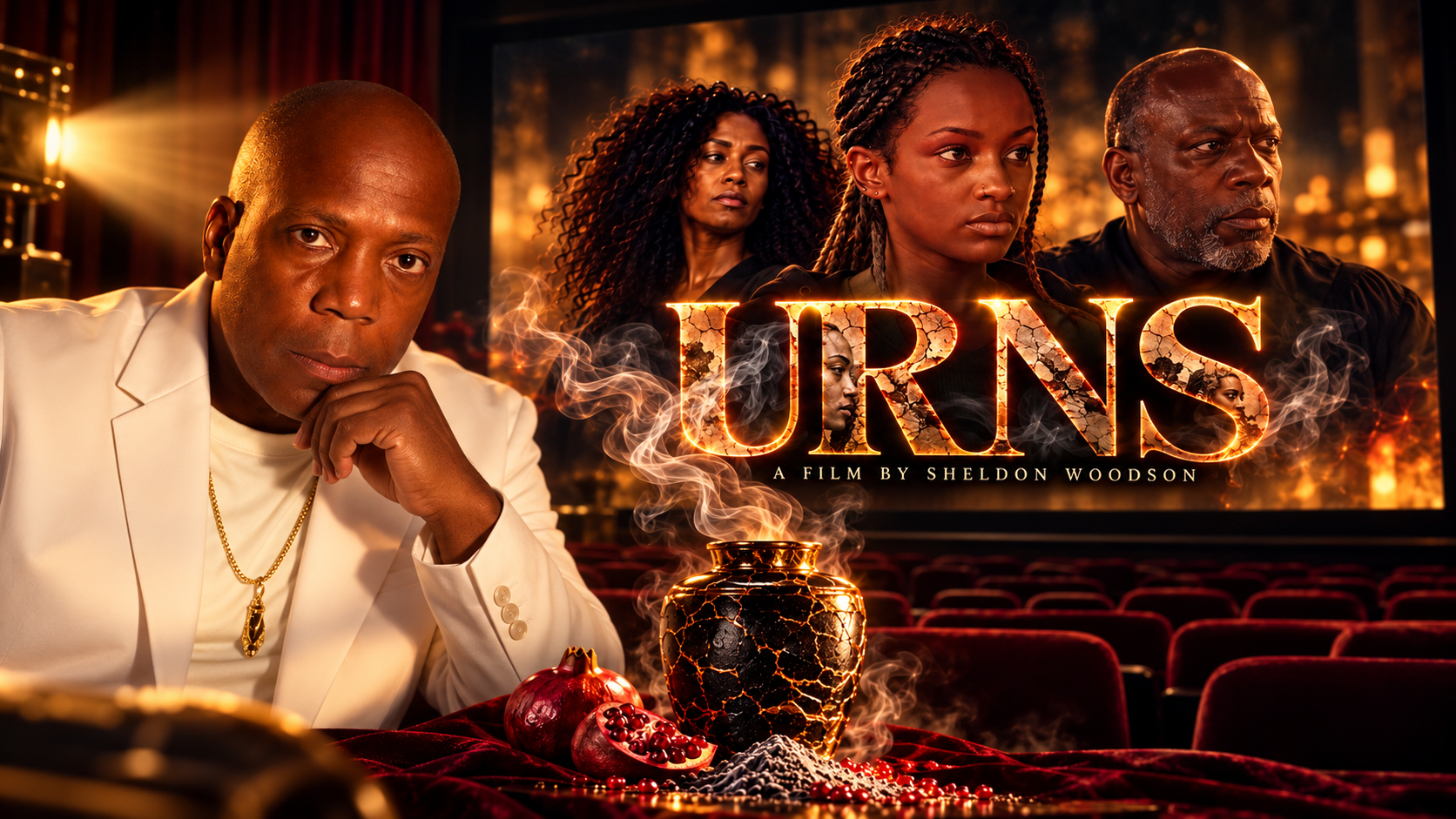
A second chance at life sounds like a gift—until someone has to decide whose body will make that chance possible. That moral tension is at the heart of URNS, a proof of concept that brings psychology, spirituality, and supernatural suspense into the same unsettling space. Its potential as a feature rests on the questions it raises about identity, bodily autonomy, grief, and the value of being alive.
For me, expanding URNS means giving those questions the dramatic space they deserve. A short can introduce a disturbing possibility. A feature can follow its consequences: the temptation of a fresh start, the people affected by that choice, and the spiritual cost of believing a human life can become a vessel for someone else.
Originality begins with perspective. URNS connects recognizable human desires—to escape suffering, preserve love, and find another chance—with an imagined system that challenges the meaning of ownership over a body and a soul. That combination gives the film a clear creative identity. Viewers can enter through the suspense and leave debating the ethics.
The visual language supports that identity. Urns, ashes, mirrors, ritual, and shadow turn familiar objects into sources of uncertainty. An urn can represent remembrance, confinement, or a doorway. A reflection can raise doubts about who is truly present. These images offer possibilities for cinematic storytelling and a recognizable foundation for posters, trailers, and audience conversations.
A feature must earn its running time. The opportunity is to deepen the characters’ desires, establish the rules of the supernatural world, and make every revelation complicate a human decision. The audience should understand why someone would accept an extraordinary bargain—and feel the consequences when its true terms emerge. That is where imagination becomes emotional investment.
The proof of concept gives potential partners something concrete to assess: tone, performances, imagery, and the filmmaker’s approach. URNS has also earned Best Screenplay at the RED Movie Awards and an Award of Recognition for Script/Writer from The IndieFEST Film Awards. Those honors strengthen the creative conversation. The next commercial test is whether that storytelling can attract and satisfy a paying feature audience.
Funding URNS would support the kind of independent filmmaking that allows a distinctive voice to develop. Woodson’s World Studios is built around stories where psychology meets spirituality. My background as a retired Navy Chief Petty Officer informs my interest in responsibility, consequence, and the difficult choices people make under pressure. URNS gives those concerns a supernatural expression while keeping the human stakes central.
Appropriate funding would also let the production put resources where they matter on screen: strong performances, controlled cinematography, production design, sound, and carefully chosen effects. An approach built around atmosphere and character creates an opportunity to align ambition with a disciplined budget. The finished screenplay, schedule, and professional cost estimates must determine what that budget can responsibly deliver.
The theatrical case begins with the experience. URNS invites viewers to watch closely, listen through silence, and question what they see. A dark auditorium and carefully mixed sound could intensify that uncertainty. Sharing a room with other viewers also gives the film’s moral questions a life beyond the final scene, especially when screenings include conversations with the cast and filmmaker.
A focused theatrical launch could serve both audience development and sales. Selected screenings could generate ticket income, local coverage, audience feedback, and—with permission—testimonials and mailing-list signups. The strongest early audience hypothesis is viewers drawn to psychological thrillers and supernatural stories with emotional and philosophical depth. The proof of concept can help test which elements actually motivate them to buy a ticket.
Release funding must be planned alongside production funding. Sundance Institute’s distribution case study of Columbus emphasizes the resources required for theatrical bookings, publicity, delivery, and marketing, and cautions that wider expansion can bring diminishing returns. For URNS, the practical implication is a selective launch that expands when attendance and net receipts justify the additional expense.
Profitability depends on the money that reaches production after contractual shares, fees, and expenses. A credible financing plan should model conservative, moderate, and stronger outcomes across theatrical exhibition, digital rentals and purchases, streaming licenses, and international sales. Those are potential revenue channels, each dependent on securing an audience and suitable agreements. Gross box office alone cannot establish investor returns.
For funding partners, the opportunity is participation in an original property with a demonstrated creative starting point and room for further development. Financial participation would depend on negotiated terms, ownership, and the order in which revenue repays costs and investors. Clear reporting and controlled spending would be essential to making that opportunity credible.
URNS deserves a feature because its premise can sustain more than a moment of unease. It can ask viewers what makes a life their own, what they would sacrifice for another chance, and whether escaping pain also means escaping responsibility. Funding a carefully produced feature and a targeted theatrical release would give those questions their fullest expression—and give the film a measurable opportunity to turn creative distinction into commercial value.