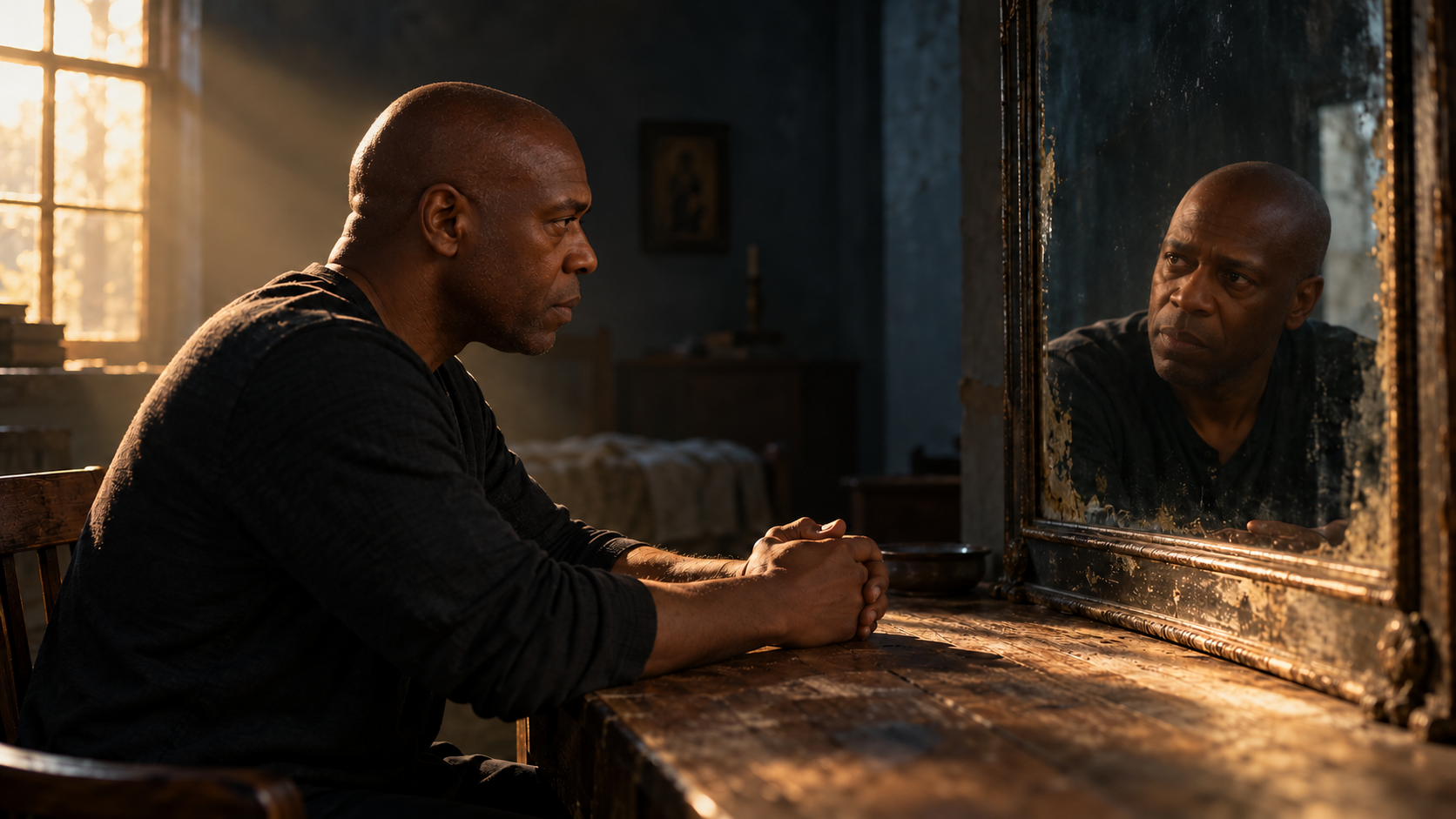
A character can pray and still fear the answer.
That is where spiritual storytelling begins for me: in the space between what someone believes and what they can actually bear to face.
As a filmmaker and writer, I am drawn to questions of faith, consequence, purpose, and the unseen. But those questions only become compelling when they belong to people whose inner lives feel recognizable. A spiritual encounter needs a human being with something at stake.
Someone grieving a loved one may believe in an afterlife and still resent being left behind. Someone seeking forgiveness may understand grace and still hide the truth. Someone convinced they have a calling may confuse that calling with a hunger to be admired.
These contradictions give a story its weight.
Psychological truth means allowing characters to have motives they cannot explain, defenses they mistake for virtues, and desires that complicate their convictions. It means listening beneath their words. When a character says, “I have faith,” I want to understand what that faith helps them endure and what they might be using it to avoid.
Consider a scene in which someone asks God for a sign. The easy version delivers the sign and resolves the doubt. The more interesting version asks what happens afterward. Does the person act? Do they bargain? Do they reinterpret the answer because obedience would require surrendering something they love?
Now belief has consequences. Now we have a story.
I think spiritual stories lose their power when transformation comes too cheaply. An apology cannot automatically restore trust. A revelation cannot erase grief. A moment of clarity may begin a difficult change, but the character still has to live through tomorrow.
For me, redemption becomes believable through behavior: the phone call finally made, the lie finally admitted, the responsibility accepted without demanding applause. Small actions can carry enormous spiritual meaning because they make an inward change visible.
That is the kind of work I want to pursue through Woodson’s World Studios. Readers can learn more about my creative journey in my SDVoyager interview. Here, I want to explore the responsibility that comes with telling stories about the soul.
We owe our characters enough honesty to let them struggle. We owe our audiences room to recognize themselves without feeling that every question has already been answered for them.
A viewer may never share a character’s beliefs. They can still understand the fear of losing a child, the shame of betraying someone, or the desperate wish to start again. That recognition creates a place where deeper questions can enter.
When I write, I want the spiritual dimension to reach into the ordinary details of a life: how someone treats a stranger, what they do when nobody is watching, and what they refuse to confess.
The unseen becomes meaningful through what we can witness.
And sometimes the most spiritual moment in a story is a person finally telling the whole truth, knowing that honesty may cost them the life they have carefully built.