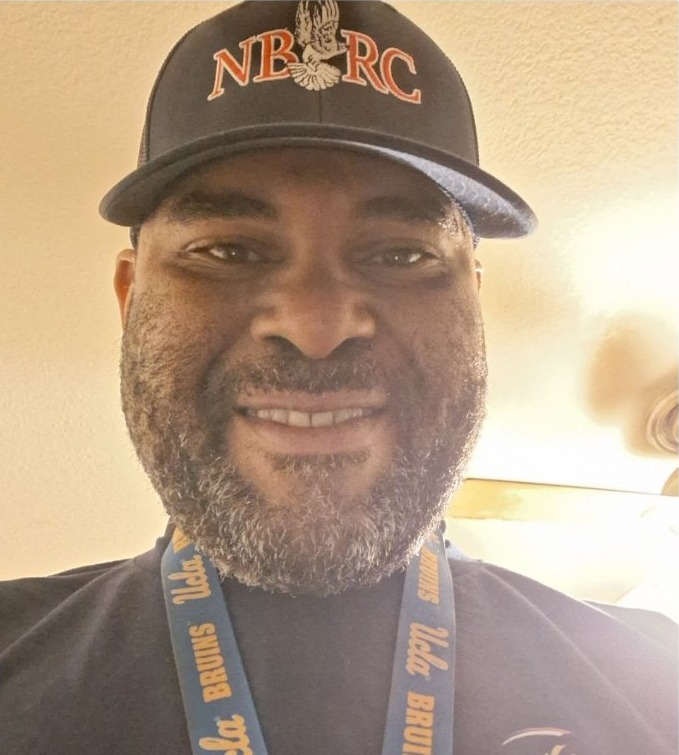
There is another world I belong to, and most people who know me for fashion have never seen it. It flies above a loft, in a tight kit, twenty birds turning as one—and then, on command of nothing but breeding and instinct, rolling backward through the air in perfect unison. The Birmingham Roller. I am a member of the National Birmingham Roller Club, and I am studying the breed the way I studied luxury: from the inside, with respect, and for the long term.
The roller world is older than the fashion houses I admire. Before the year 1600, pigeons remarkable for their manner of flight were prized in India and trained at the court of the Emperor Akbar. Charles Darwin wrote about them in 1868. In 1873, a surgeon named W. J. Moore, writing from Rajpootana, tried to answer the question the fancy has asked ever since: Why does a tumbler tumble? He made an ordinary pigeon roll, and one bird kept rolling for months after it recovered. Five years later, another man, Kesteven, gave the phenomenon a name—epilepsy—and Darwin wrote back that the view seemed to him very probable. In 1940, a researcher named Mowrer tested whether the birds needed their eyes to roll. In 2024, genome scientists found five regions of DNA tied to the trait. A hundred and fifty years of asking, and the question is still open. That is what heritage looks like when it is honest: it keeps asking.
I did not come to this world to take from it. I came to learn from the people who have kept it. James Beltran, my mentor. Jerry Higgins and Marshall Duncan, whose lessons I study. William Pensom, whose book The Birmingham Roller Pigeon is the foundation of my learning. This is a community that judges on merit—the kit is scored on what it does in the air, not on who owns it. In November, I followed the NBRC 11-Bird National Finals to their conclusion, and Hunter Siggard of Region 7A won the championship with 311 points. I shared the wrap-up the way the fancy deserves: with the scores, the criteria, and the names spelled correctly. Standards are how a community says what it values.
The roller world also taught me the welfare standard, and it taught it early. In 1873, Moore refused to turn two ordinary pigeons into tumblers by needle and breed a fresh stock from them—he called it "needless cruelty" and stopped. That refusal is the earliest of its kind in this story, and it is the standard I hold my own program to. My current home in Banning is zoned in a way that does not permit keeping pigeons, so my program waits—for properly zoned property, for a loft built the right way, and for a program that is safe, compliant, and professionally managed. About eleven breeding pairs, eventually two kits of twenty birds, with breeding, kit, separation, relaxation, and lab areas. I will not rush it, and I will not cut it short. The birds come first; the program follows.
That patience is the same discipline I bring to everything I build. A roller is not made in a season. It is made over generations—selecting, breeding, flying, judging, and starting again. The fancy's boast is that a bird can be "bred to a feather," and the work behind that boast takes years. Luxury is the same. I spent eight years inside luxury outlets before I built CDJ FASHION FORWARD. You learn the craft before you chase the spotlight. You hold the standard when no one is watching. The kit and the atelier run on the same rule.
And there is something else the roller world gave me: a story worth telling to the next generation. I am building a comic franchise, Champions of the Sky, about these birds and the people who fly them—because heritage that isn't passed on is heritage that dies. My late mother remains my inspiration in everything I build, and this is no different. Faith, family, and purpose. A brand, a loft, a story—all of them are ways of saying the same thing: what we inherit, we protect, and what we protect, we pass on better than we found it.
The sky is a standard too. The roller world taught me that. And I am building, from Banning, California, for the world—with the same receipts, the same patience, and the same refusal to bend.
FULL STEAM AHEAD.
— Christopher D. Jennings