
Building the Digital Infrastructure Behind the Future of Real Estate
M
atthew Schneider believes that is about to change.
As the founder and CEO of Building, Schneider is focused on helping real estate owners, developers, and asset managers organize, verify, and digitize property information in a way that makes assets easier to finance, manage, report on, and ultimately participate in increasingly digital capital markets. His work sits at the intersection of real estate, technology, finance, and emerging digital infrastructure.
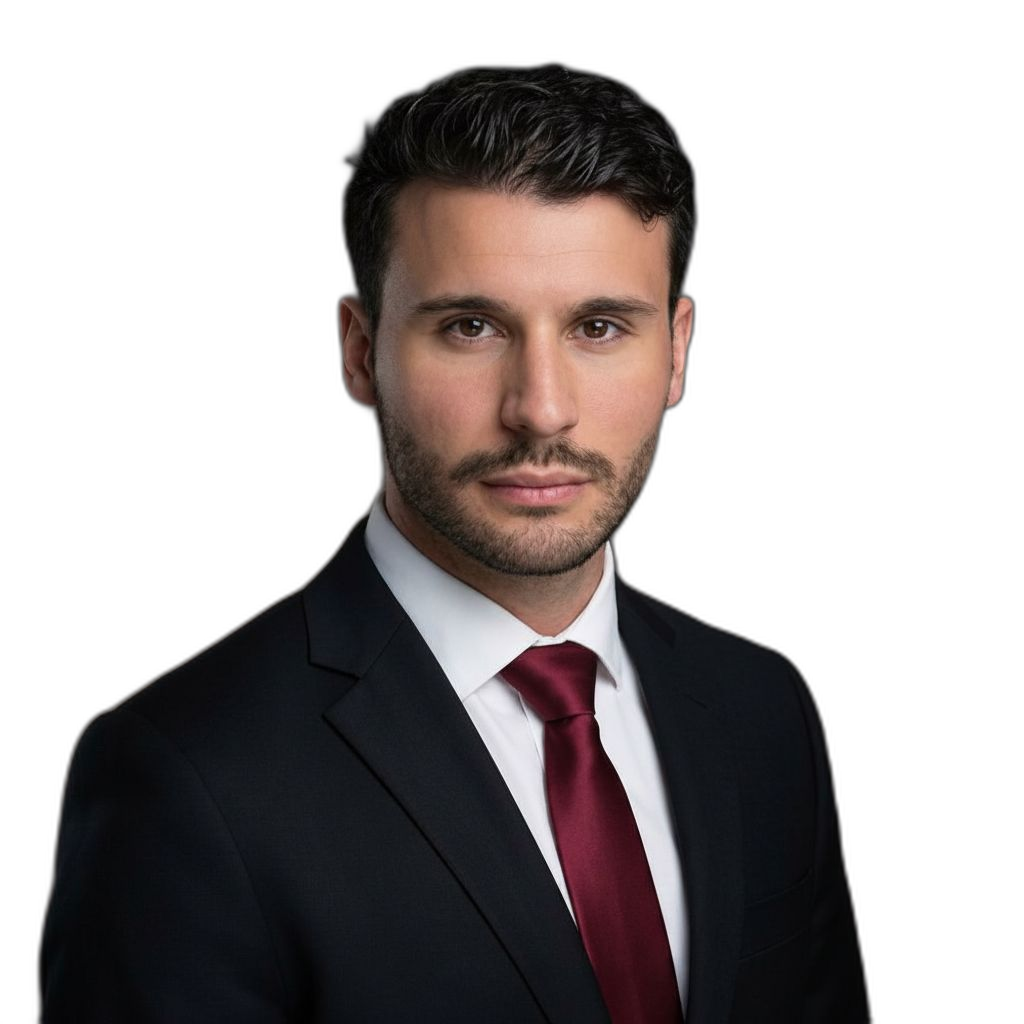
Matthew Schneider
CEO
01
Tell us about your entrepreneurial journey.
My path wasn't a straight line.
I published a novel while I was still in high school, co-founded a day trading group, launched an e-commerce company, released music, and spent time doing whatever I needed to do to support myself. Looking back, it probably looked chaotic from the outside, but each experience taught me something valuable.
Around 2020, I became deeply interested in real estate investing and syndications. I co-founded a platform that connected investors with commercial real estate opportunities, and through that experience I gained a firsthand understanding of many of the challenges facing the industry.
Eventually, after years of operating in that space, I exited and founded Building, using those lessons to create a solution for a problem I saw repeatedly.
Around 2020, I became deeply interested in real estate investing and syndications. I co-founded a platform that connected investors with commercial real estate opportunities, and through that experience I gained a firsthand understanding of many of the challenges facing the industry.
Eventually, after years of operating in that space, I exited and founded Building, using those lessons to create a solution for a problem I saw repeatedly.
02
What problem is Building solving?
Real estate generates enormous amounts of information, but much of that information remains fragmented, difficult to access, and expensive to manage.
We're helping owners, developers, and asset managers create a verified digital record of their properties so information can move more efficiently across financing, compliance, reporting, due diligence, and future digital capital markets.
Ultimately, we believe the future of real estate will be increasingly digital, and we're building the infrastructure to support that transition.
Ultimately, we believe the future of real estate will be increasingly digital, and we're building the infrastructure to support that transition.
03
What has been the biggest turning point in your career?
Developing a personal brand and sharing my ideas publicly.
Speaking on stages, creating content, and participating in industry conversations changed how people viewed me. It helped me move from being seen solely as a founder to being viewed as someone contributing to the broader conversation around real estate technology and innovation.
Influence matters when you're trying to change how an industry operates.
Influence matters when you're trying to change how an industry operates.
04
You've experienced both successes and setbacks as an entrepreneur. What have those experiences taught you?
I've learned that experience is the greatest teacher.
I've raised capital, represented myself in legal disputes, made mistakes, lost money, embarrassed myself publicly, and faced challenges I never could have anticipated.
Reading about hardship and actually experiencing hardship are two completely different things. Many of the lessons that shaped me could only have been learned by going through them firsthand.
Reading about hardship and actually experiencing hardship are two completely different things. Many of the lessons that shaped me could only have been learned by going through them firsthand.
05
What's one lesson that has stayed with you throughout your journey?
Agility is essential, but recklessness is dangerous.
Founders need to be willing to pivot when circumstances change, but they also need to be disciplined about where they're heading. You can't simply change direction every time things get difficult.
The goal is to adapt intelligently while staying aligned with larger market opportunities and long-term trends.
The goal is to adapt intelligently while staying aligned with larger market opportunities and long-term trends.
06
How would you describe your leadership philosophy?
I believe character matters more than most people realize.
A lot of people assume difficult situations automatically build strong leaders. I don't think that's true. More often, adversity reveals who someone already is.
As a leader, my responsibility isn't to create unnecessary hardship. It's to build an environment where talented people can demonstrate the character, judgment, and resilience they already possess.
As a leader, my responsibility isn't to create unnecessary hardship. It's to build an environment where talented people can demonstrate the character, judgment, and resilience they already possess.
07
What separates great leaders from average ones?
There isn't a single trait.
When I study great leaders throughout history, I consistently see a combination of qualities: passion, resilience, communication, adaptability, and an unwavering sense of purpose.
The best leaders make decisions quickly when needed, communicate clearly, and maintain conviction without becoming rigid.
The best leaders make decisions quickly when needed, communicate clearly, and maintain conviction without becoming rigid.
08
What mistake taught you the most?
For a long time, I believed that being polite and staying quiet would naturally earn respect.
What I learned is that credibility and influence matter. If you want to lead effectively, people need to understand both your intentions and your capabilities.
Kindness is important, but strength must be visible.
Kindness is important, but strength must be visible.
09
What industry trends are you paying the closest attention to right now?
The digitization and automation of both finance and the built environment.
Whether it's artificial intelligence, data infrastructure, automation, digital reporting, or tokenization, the direction is clear. Real estate is becoming increasingly data-driven.
The majority of global wealth is connected to real estate in some form, so the impact of these changes will be enormous.
The majority of global wealth is connected to real estate in some form, so the impact of these changes will be enormous.
10
What advice would you give your younger self?
Spend more time studying.
Domain expertise compounds over time and becomes a significant competitive advantage. The deeper your understanding of an industry, the more opportunities you'll be able to identify.
11
How do you define success?
Success is about legacy.
Everything we have today exists because of the people who came before us. Knowledge, institutions, technology, and infrastructure are all inherited.
If you can leave something behind that genuinely improves the lives of others, that's success. The money, recognition, and accomplishments matter, but they're not the ultimate goal.
If you can leave something behind that genuinely improves the lives of others, that's success. The money, recognition, and accomplishments matter, but they're not the ultimate goal.
12
What are you most proud of building?
Building.
Not just the company itself, but what it represents. It's a symbol of where the industry is heading and a community of people working toward a better future for the built environment.
13
What motivates you to keep growing?
Time. It's limited, and none of us know how much we have.
When I think about that, it becomes difficult to justify standing still. Meaningful work matters, and I don't believe people regret spending their lives building something that creates value for others.
14
What's next for Building?
We're currently focused on scaling.
We're at the pre-seed stage, expanding our platform, growing the team, and continuing to help real estate organizations prepare for an increasingly digital future.
More importantly, we're helping educate the industry about where these changes are heading. Our goal isn't simply to build a successful company. It's to help shape the future of real estate itself.
More importantly, we're helping educate the industry about where these changes are heading. Our goal isn't simply to build a successful company. It's to help shape the future of real estate itself.
Closing Perspective
Matthew Schneider sees real estate not simply as buildings, but as information.
His belief is that the next generation of real estate companies will be defined by how effectively they organize, verify, and leverage data across the lifecycle of an asset. While many people view digitization as a technology trend, Schneider sees it as something much larger: a fundamental shift in how one of the world's most important asset classes will operate in the decades ahead.
For entrepreneurs, his story offers another lesson. Careers are rarely linear. Sometimes the experiences that seem unrelated in the moment become the foundation for the opportunity you're ultimately meant to pursue.